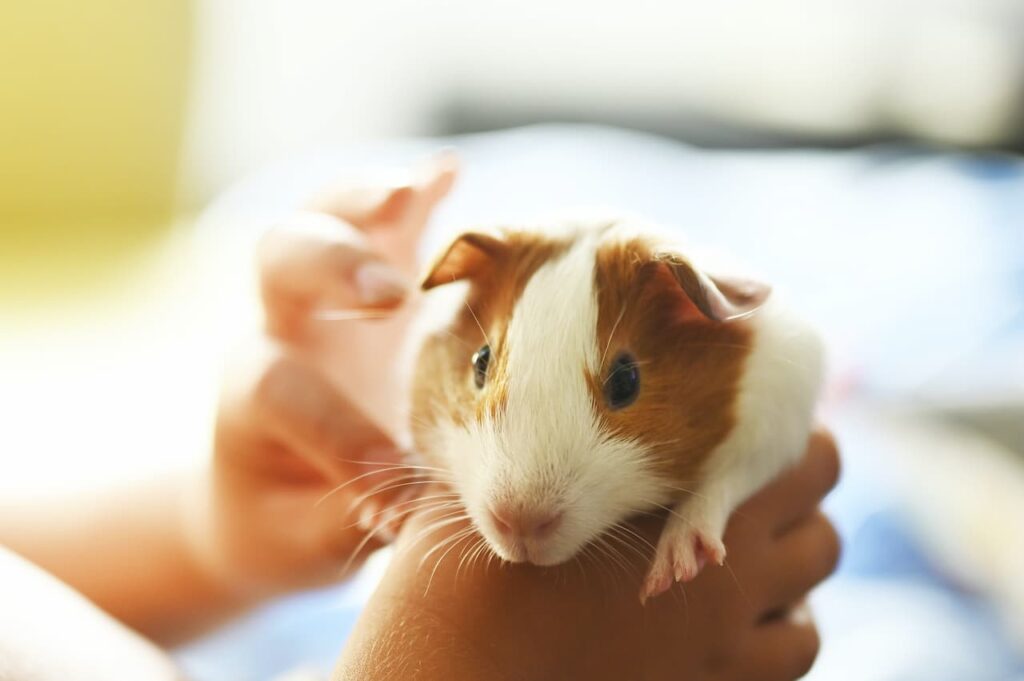
Can Guinea Pigs Eat Corn Or Not?
Do you have a guinea pig and wondering if you can add corn to its diet?
Corn is a fantastic choice from a nutritional standpoint. According to the Mayo Clinic, corn is rich in fiber, which is great for digestion. In addition, there is vitamin B, carotenoids, and a host of antioxidants. Corn is also rich in minerals, making it an ideal food for those with health issues such as diabetes.
But do these health benefits apply to other animals and pets? Can guinea pigs eat corn? Should they add other fruit like raspberries to their diet? Despite their fervent eating habits, guinea pigs are very particular about the food they eat. In addition, these cute creatures also have basic stomachs, much like other rodents.
So does corn fit into the diet of a cavy or not? Yes it does! Guinea pigs can eat corn. Find out more about the limitations for your fluffy babies in this post.
Can guinea pigs have corn?
A straightforward answer is yes. A cavy can eat corn without any problem. In fact, the high fiber content of corn can be very beneficial for the digestive health of a cavy.
However, not all guinea pigs love the taste of actual corn. They are more interested in the silk and the husk of raw corn, which is another thing. The corn’s husk has a texture similar to grass or hay, which is the cavy’s staple diet. In addition, the corn’s husk is also the tastiest and has the most nutrition.
The layer of husk closest to the corn’s actual cob is always the best to start while adding corn to a cavy’s diet. This part of the husk is usually the safest and does not contain contaminants such as pesticides.
The one part of the corn to avoid giving to a cavy is the kernels. Guinea pigs rarely like corn kernels, and only a few will actually like chewing on them. But considering that corn kernels do not have any nutritional value, it’s a good thing that guinea pigs don’t like to eat them, right?
Just in case, your cavy is one of the few ones that like the corn kernels; once a week is more than enough.
What other types of corn can guinea pigs eat?
Corn comes in several forms, apart from the raw ones. So can a guinea pig eat those too? Well, it depends on what type of corn you are talking about.
Can guinea pigs have corn?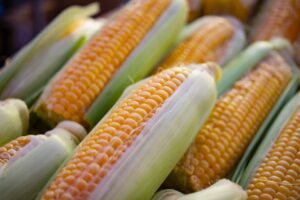
A straightforward answer is yes. A cavy can eat corn without any problem. In fact, the high fiber content of corn can be very beneficial for the digestive health of a cavy.
However, not all guinea pigs love the taste of actual corn. They are more interested in the silk and the husk of raw corn, which is another thing. The corn’s husk has a texture similar to grass or hay, which is the cavy’s staple diet. In addition, the corn’s husk is also the tastiest and has the most nutrition.
The layer of husk closest to the corn’s actual cob is always the best to start while adding corn to a cavy’s diet. This part of the husk is usually the safest and does not contain contaminants such as pesticides.
The one part of the corn to avoid giving to a cavy is the kernels. Guinea pigs rarely like corn kernels, and only a few will actually like chewing on them. But considering that corn kernels do not have any nutritional value, it’s a good thing that guinea pigs don’t like to eat them, right?
Just in case, your cavy is one of the few ones that like the corn kernels; once a week is more than enough.
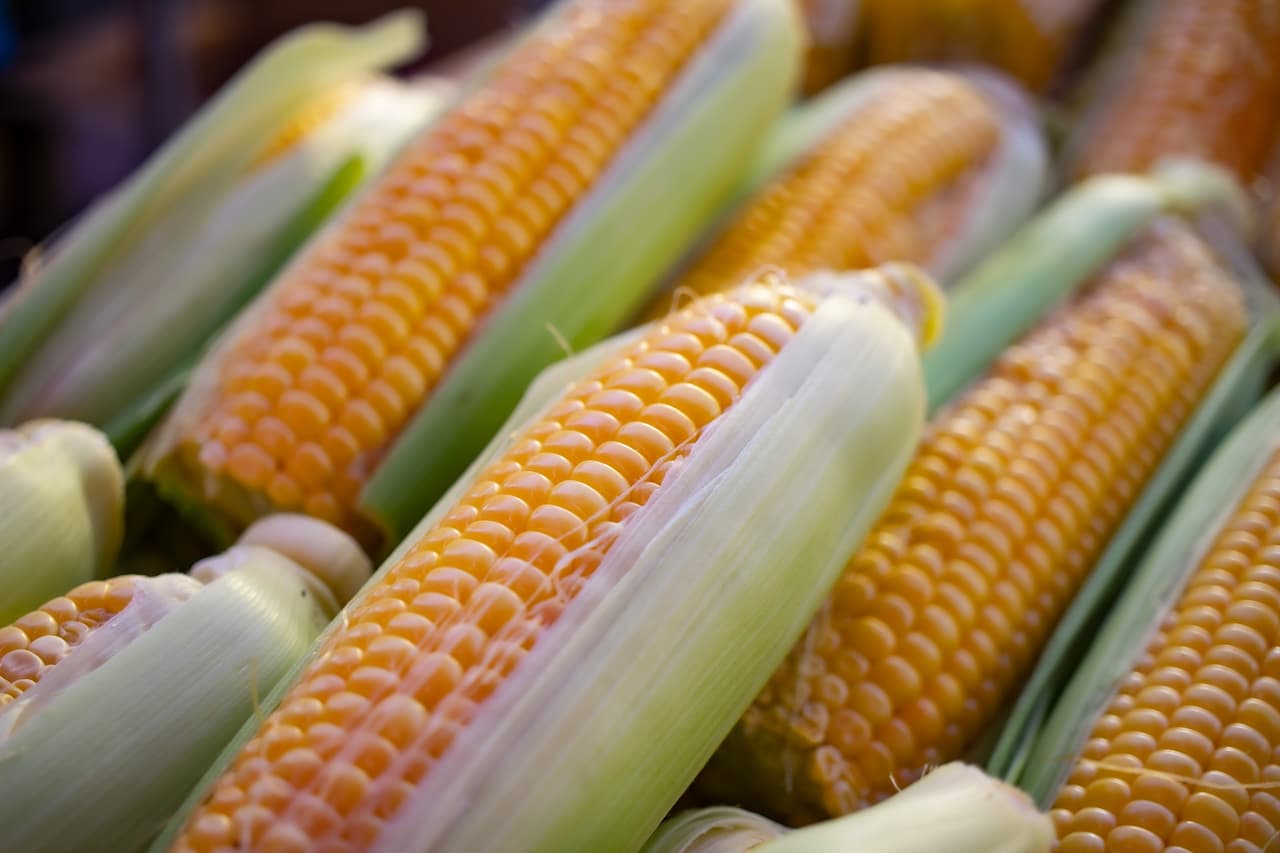
How often can you give corn to a guinea pig?
A guinea pig’s primary diet is hay and palettes. So although you can add veggies and fruits to a cavy’s diet, they should be done in moderation. Overfeeding the corn to the cavy can cause bloating and gas. Furthermore, if your guinea pig loves corn kernels, bear in mind that it has high water content and a lot of calories. So a cavy overeating the corn kernels can also cause indigestion. When it comes to giving corn to a guinea pig corn, once or twice a week should suffice. If you decide to add corn to a cavy’s diet, only use the raw and fresh ones. A guinea pig’s digestive system is no capable of digesting cooked corn, and they rarely like it. On rare occasions, cooked foods, including corn, can be dangerous for the overall health of the guinea pig. However, you can give corn husks more than thrice a week to a cavy without any side effects – especially if the corn is organic and you are sure it does not have any form of pesticides. Nevertheless, cleaning the husks before giving them to a cavy is important.What other types of corn can guinea pigs eat?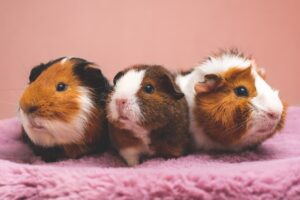
Corn comes in several forms, apart from the raw ones. So can a guinea pig eat those too? Well, it depends on what type of corn you are talking about.
Corn flakes
Plain corn flakes with no flavors are all right for a guinea pig’s diet, especially in moderation. However, corn flakes with flavors and additives provide no nutritional value to a cavy. In addition, artificial preservatives can upset the stomach of guinea pigs. Some corn flakes also contain high levels of sugar. Although this may be delicious and the best thing for you as a breakfast, it can cause digestive problems for a cavy, including bloating and gas. In some cases, the high content of sugar in a guinea pig’s diet can even be fatal. Note: While serving corn flakes to a guinea pig, never ever use milk with it, as guinea pigs are lactose intolerant. Milk can cause bloating, gas, and severe digestive complications because of the proteins in the milk.Cracked corn
Cracked corn is typically for birds and chicken feed. So these are typically smaller in size and dense. However, cracked corn can also vary in size, depending on the brand. Nevertheless, cracked corn is not a good choice of food for a cavy. The texture of the cracked corn can cause dental issues in guinea pigs. In addition, this type of corn is also harder to digest, so it can cause potential digestion problems. Furthermore, larger pieces of cracked corn can also become a choking hazard, especially for a smaller cavy.Corn chip and tortillas
These two types of corn naturally have high concentrations of sodium. Sodium in a guinea pig’s diet is not a good choice. It can cause digestive problems. In addition, corn chips and tortillas also contain a good amount of flour, which is not good for a cavy. Your pets will not refrain from eating these corn-based snacks, so keep it out of their reach.Canned corn
Canned corn is also typically high in sodium, which is not ideal for a cavy’s diet. In addition, canned corn is also pre-cooked, making it difficult for the guinea pigs to digest it. So apart from causing digestive problems, canned corn can also cause other health complications.Wrapping up
In moderate quantities, corn can be a great treat and snack for a guinea pig. The high fiber content in corn can be very beneficial for the cavy’s digestive health. However, the quality of corn is crucial. The best corn for the guinea pig is one that is organic and free of pesticides and other chemical compounds. As fantastic as corn is for your fluffy babies, it is important to include corn in a high-quality diet; corn should not be a standalone diet for a guinea pig. If you enjoyed this article, see our other guinea pig article ‘Can a guinea pig eat grapes?’We get asked — guinea pig food FAQ
How much fresh veg should a guinea pig eat per day?
About 1 cup of fresh vegetables per pig per day, ideally split into two meals (morning and evening). Hay should still be 80% of the diet and available unlimited. Pellets are a small daily addition, not a meal replacement.
What’s the most important nutrient for guinea pigs?
Vitamin C. Guinea pigs cannot manufacture their own and must get it daily from fresh food. Bell pepper is the gold-standard source. Vitamin C in pellets oxidises within weeks of opening, so don’t rely on pellets alone. See our food safety master list for daily portion guidance.
What signs should send me to a vet?
- Not eating for 12+ hours (GI stasis — emergency)
- Not pooping (or smaller, drier poops than usual)
- Crusty eyes, wheezing, or sneezing more than once a day (URI)
- Hunched posture, fluffed coat, hiding
- Sudden weight loss (weigh weekly to catch this early)
- Blood in urine, hunching when peeing
A pig that hasn’t eaten in 12 hours is an emergency, not a “wait and see” situation. More detail in our vet warning signs pillar.
Related reading
- The complete guinea pig care guide — diet, housing, social pairs, lifespan
- Master food safety table
- Cage setup & size guide — most pet-shop cages are too small
- RSPCA UK — Guinea pig welfare standards
Page last updated 17 May 2026. We re-check our pet-care content regularly and update when something changes.