Can Rabbits Eat Tomatoes?
Tomato Fruits Are Safe to Feed to Your Rabbit
Tomatoes are not toxic to rabbits. Therefore, if you feed your rabbit a little tomato now and again, it should be perfectly okay. The same does not go for other parts of the tomato plant (see the section below on the tomato leaves and stem).Nutritional Benefits of Tomatoes for Rabbits
A thin slice of tomato amounting to 15g can provide the following nutrients: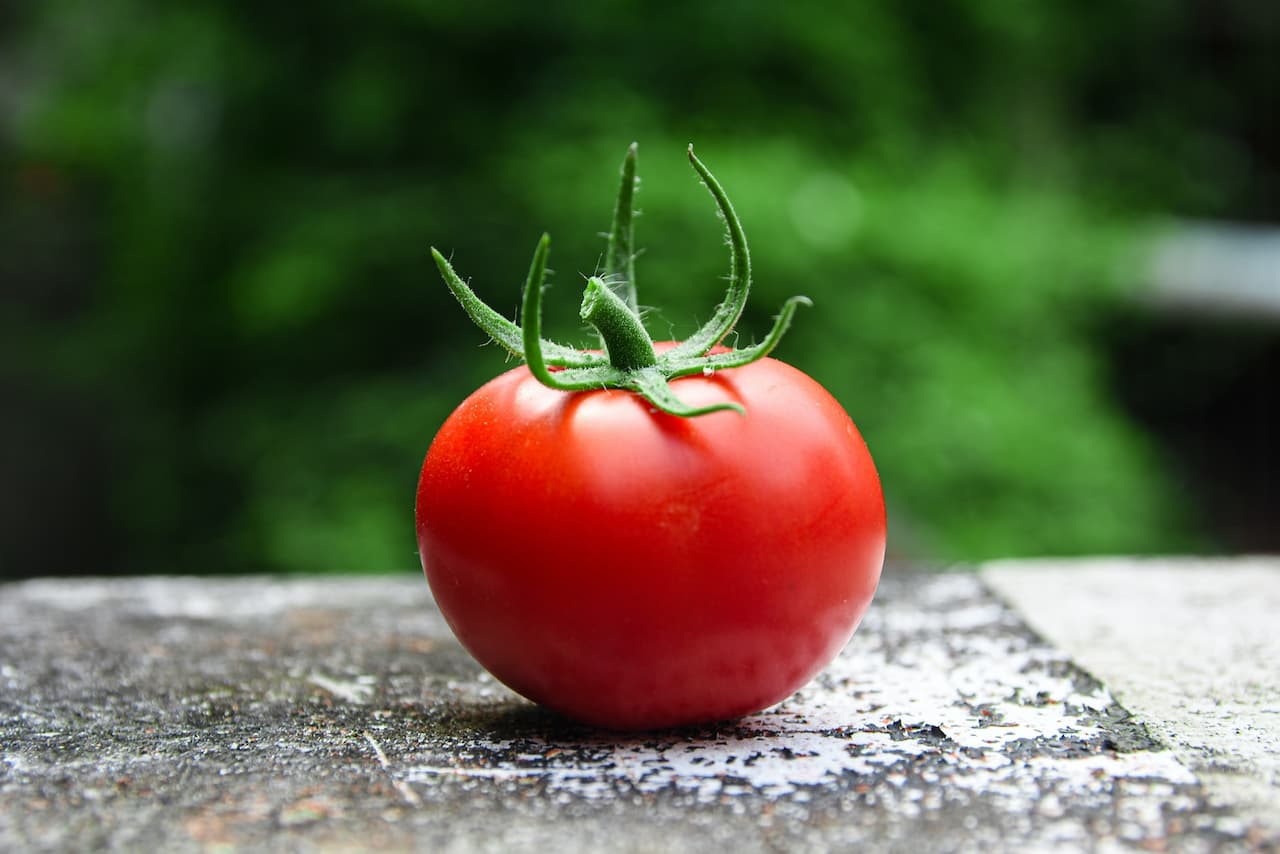 125 IU of vitamin A
1.9 mg of vitamin C
1.2 mcg of vitamin K
2.2 mcg of folate
35.6 mg of potassium
There are trace amounts of other vitamins and minerals in a slice of tomato as well.
Furthermore, tomatoes are rich in antioxidants, which can fight damage from free radicals.
Just as these nutrients are healthy for you, they are also suitable for your pet. So, those are the benefits of feeding a slice of tomato to your rabbit.
125 IU of vitamin A
1.9 mg of vitamin C
1.2 mcg of vitamin K
2.2 mcg of folate
35.6 mg of potassium
There are trace amounts of other vitamins and minerals in a slice of tomato as well.
Furthermore, tomatoes are rich in antioxidants, which can fight damage from free radicals.
Just as these nutrients are healthy for you, they are also suitable for your pet. So, those are the benefits of feeding a slice of tomato to your rabbit.
Drawbacks of Tomatoes for Rabbits
The health benefits of tomatoes are exciting. There are, however, a couple of drawbacks of tomatoes for rabbits. Tomatoes are highly acidic. Tomatoes have lots of sugar in them. If acidic foods give you heartburn, you already know how foods like tomatoes can trigger digestive issues. For your rabbit, digestive problems resulting from acidic foods can be even more pronounced. You also probably know that you should avoid getting too much sugar in your own diet as it is unhealthy and can cause weight gain. The same is true for rabbits. If you feed a rabbit too many foods that are high in sugar, obesity may result. This can put your pet at risk for additional health problems. For both of these reasons, you should moderate your adult rabbit’s intake of foods which are sugary and/or acidic, such as tomatoes. If your pet is under 12 weeks old, tomatoes should not be on the menu at all. This may lead you to ask other questions. Can rabbits eat cucumber? Can rabbits eat celery? What about other ingredients you might be adding to your salad? The specific rules are different for every fruit and vegetable, but the 12 weeks rule applies across the board. Baby rabbits should never be given fruits or vegetables of any nature. For both baby and adult rabbits, fruits and veggies should comprise only a small percentage of the overall diet. Hay should account for around 80%.How to Feed a Tomato to Your Rabbit
- Do not let your pet eat any other part of the tomato plant other than the fruit (see the next section)! Make sure you have only the fruit in your hand and have gotten rid of the rest of the plant.
- It is always wise to rinse off the tomato. If you bought it from the store, you do not know what kinds of pesticides or fungicides it might have been exposed to. If you grew it in your own garden, it is still smart to wash off any debris.
- Cut the tomato into small pieces from which you can extract the seeds and throw them away. This will probably be easiest to do if you slice the tomato.
- Feed your rabbit one of the slices.
Rabbits Should Not Eat the Stem or Leaves of a Tomato Plant
While it is safe for your rabbit to consume small amounts of tomato fruit, the same is not true for the rest of the tomato plant. The reason why is a glycoalkaloid compound called “tomatine.” Sometimes, you will see the word spelled “tomatin” without the “e,” or you might see it referred to as “Lycopersicon.” Research studies have proven tomatine to be toxic to animals. If your rabbit eats any part of the tomato plant other than the fruit, exposure to tomatine could produce the following symptoms:- Abdominal pain
- Diarrhea
- Vomiting
- Confusion
- Depression
- Drowsiness
- Changes in appetite
- Changes in behavior
- Heart rate changes
- Weakness
Key Points
Let’s quickly go over what we have learned: Your rabbit can safely consume tomato fruit. The leaves and stem of the tomato plant are toxic to your rabbit because they contain a substance called tomatine.
Tomatoes contain potassium, folate, and vitamins, which are healthy.
Unfortunately, tomatoes are high in acid and sugar.
Baby rabbits cannot eat tomatoes safely.
Adult rabbits can eat the occasional slice of tomato as a treat.
Too much tomato can cause digestive problems and obesity in a rabbit.
Only feed your pet fresh tomatoes! Processed tomato products may contain much higher concentrations of sugar and acid. They also may be loaded with unhealthy additives.
Conclusion: In Moderation, Your Rabbit Can Safely Enjoy Tomato Fruits
You now have a thorough answer to the question, “Can rabbits eat tomatoes?”
You need to be careful not to overdo it, but the occasional slice of tomato can be nutritious and enjoyable for your pet rabbit.
As with any other new food, introduce tomatoes gradually to make sure that your rabbit responds well to them.
The leaves and stem of the tomato plant are toxic to your rabbit because they contain a substance called tomatine.
Tomatoes contain potassium, folate, and vitamins, which are healthy.
Unfortunately, tomatoes are high in acid and sugar.
Baby rabbits cannot eat tomatoes safely.
Adult rabbits can eat the occasional slice of tomato as a treat.
Too much tomato can cause digestive problems and obesity in a rabbit.
Only feed your pet fresh tomatoes! Processed tomato products may contain much higher concentrations of sugar and acid. They also may be loaded with unhealthy additives.
Conclusion: In Moderation, Your Rabbit Can Safely Enjoy Tomato Fruits
You now have a thorough answer to the question, “Can rabbits eat tomatoes?”
You need to be careful not to overdo it, but the occasional slice of tomato can be nutritious and enjoyable for your pet rabbit.
As with any other new food, introduce tomatoes gradually to make sure that your rabbit responds well to them.
We get asked — pet rabbit food FAQ
What’s the basic split of a healthy rabbit diet?
80% hay (unlimited Timothy, orchard, or meadow), 15% fresh leafy greens (about 1 cup per kg of body weight, split morning and evening), and 5% pellets (a small egg-cup-sized daily portion). Fruit is a treat, not a daily food. Alfalfa is for under-6-months and pregnant/nursing only.
What’s GI stasis and why does it matter?
It’s the rabbit killer. When a rabbit’s gut motility slows or stops — usually because of low hay intake, dental pain, stress, or something else — they can spiral fast. A rabbit that hasn’t eaten or pooped in 8 hours is an emergency. Ring an exotic vet immediately, do not wait until morning.
Should I spay or neuter?
Yes, ideally before age 1. Female rabbits have a reported 50-80% uterine cancer rate by age 5-6 if unspayed. Neutered males stop spraying, calm down, and become better companions. Both surgeries are routine for an experienced exotic vet.
Related reading
- The complete pet rabbit care guide
- Master food safety table
- How to litter train a rabbit
- Rabbit Welfare Association & Fund — RWAF resources
Portion sizes & serving rules
Daily greens for an adult rabbit: roughly one cup of fresh veg per kilogram of body weight, split into morning and evening servings. A 2kg dwarf gets 2 cups daily total; a 4kg medium rabbit gets 4 cups. Pellets are about an egg-cup-sized daily serving regardless of size. Hay should be unlimited and available 24/7 — not topped up “when it runs out”, but always present.
Fruit is a treat, not a meal. We give one tablespoon-sized fruit treat once or twice a week, no more. Even “natural” sugars accumulate.
Greens rotation
The “three different greens daily” rule keeps mineral loads moderate. A working daily mix might be:
- 1 herb (basil, coriander, mint, dill, parsley — rotate)
- 1 leafy base (romaine, butter lettuce, endive)
- 1 stronger green (bok choy, rocket, radish tops, dandelion)
High-calcium greens (kale, parsley, spinach, swiss chard) are excellent rotations but not daily staples. Two days of kale followed by five days of milder greens keeps the calcium load moderate and the risk of urinary issues low.
Warning signs after a new food
- No or fewer poops within 12 hours
- Soft, mushy or smelly poops (caecotrophs being missed too)
- Sudden disinterest in hay
- Hunched posture, tooth-grinding while hunched (pain signal)
- Bloated belly
A rabbit that hasn’t pooped or eaten in 8 hours is an emergency. GI stasis progresses fast and silently. Vet now, not tomorrow. Full GI stasis primer in our complete rabbit care guide.
Page last updated 17 May 2026. We re-check our pet-care content regularly and update when something changes.