Can Rats Eat Yams? What can rats eat?
Rats make great pets for people who don’t have the space to keep a cat or dog. Domestic Rats can be calm and friendly. They can also form emotional bonds with their owners. Domesticated rats are available in many varieties including Dumbo Rats and Manx Rats. There are also different coat styles and tail styles.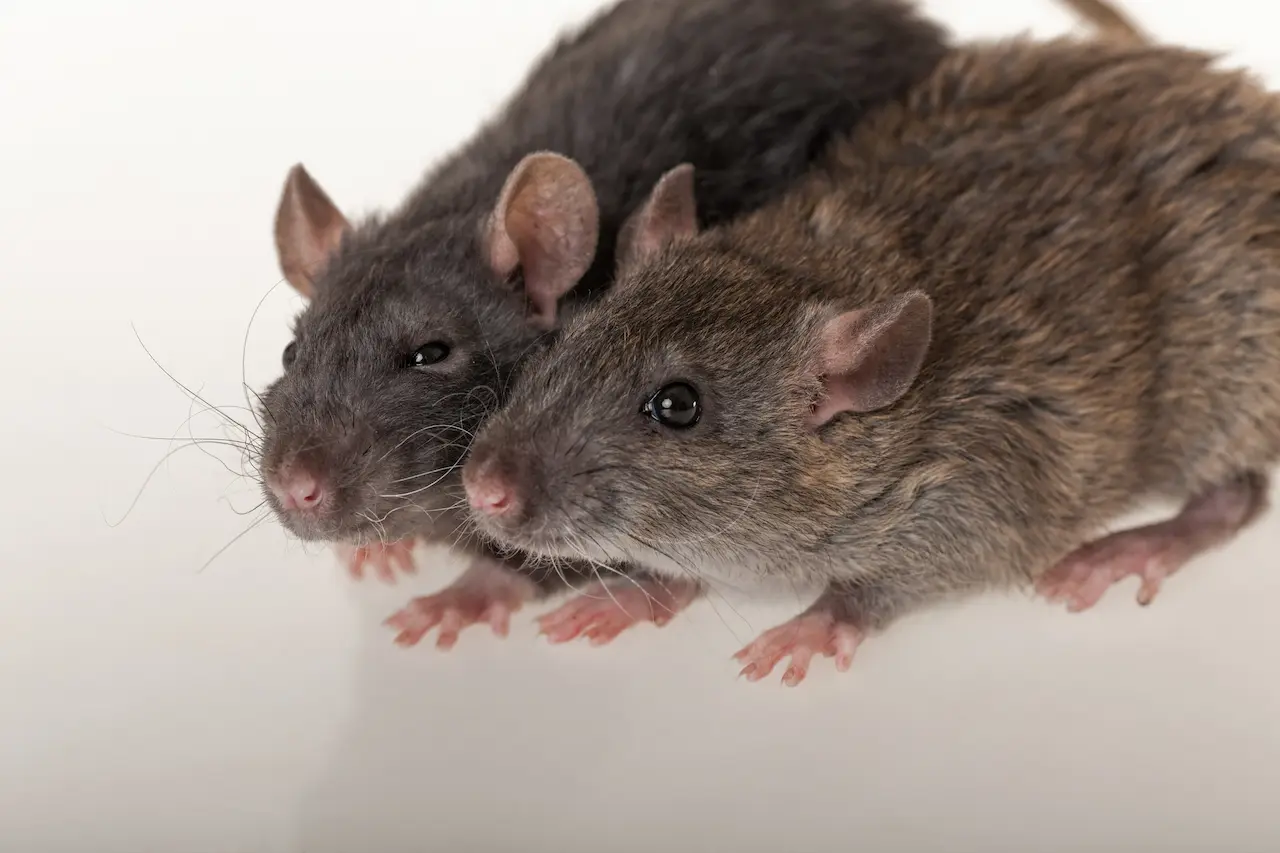
What to feed your pet rat regularly
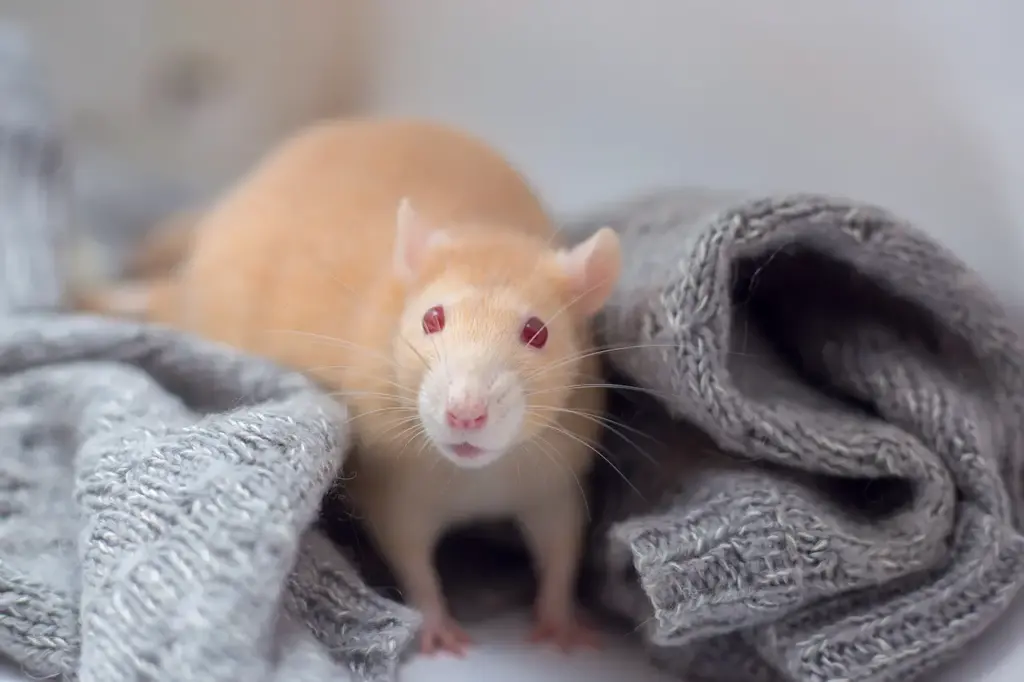
Rats are omnivores. They are at their healthiest if they consume a mixture of fruits, vegetables, and meats. The best diet for rats is a combination of fresh fruits and veggies, along with rat pellets, or cubes of food, daily. For a balanced diet, the rat food pellets should contain at least 16% of protein and 4-5% of fat. Fruits and vegetables that rats love include:- Apples
- Bananas
- Pears
- Citrus fruits
- Cabbage
- Broccoli
- Parsely
- Berries
- Peas
- Carrots
- Endives
- Melons
- Stone Fruits
- Beans
- Corn
- Red Cabbage
- Sweet Potato
- Meat & Eggs

What foods to avoid feeding your pet rat
You should avoid feeding your pet rat certain foods that are poisonous or harmful. Please note that this list is not exhaustive.- Dark chocolate (high caffeine content and sugars, which contributes to obesity and dental problems)
- Caffeine can cause cardiac dysfunction, arrhythmia and cardiac arrest.
- Lemon peels, mangoes, and other foods containing d-limonene (may cause cancer in male rats, in particular)
- Sweet potatoes and raw beans (both contain cyanogenic glycosides, but in small amounts) can cause kidney stones if consumed in excess. CGs turn to cyanide when eaten, but would need excessive amounts to be toxic; raw beans – particularly kidney beans – can be lethal if ingested, as they contain lectin-phytohemagglutinin that causes red blood cells to clump together)
- Green potatoes (contain an alkaloid toxic called solanine).
- Foods that are thick or sticky, such as peanut butter and mashed potatoes, could pose a potential choking risk.
- Wild insects are not recommended due to the parasites or pesticides that they may contain
We get asked — pet rat food FAQ
What should make up most of a rat’s diet?
About 80% lab block (Mazuri, Oxbow Regal Rat, Envigo Teklad) or a high-quality multi-grain rat mix, and 20% fresh toppings — vegetables, small fruit pieces, lean protein. About 15-20g of base food per rat per day (one heaped tablespoon).
Are rats really omnivores?
Yes — closer to a small dog than a guinea pig. They need protein (cooked chicken, egg, mealworms a few times a week), tolerate dairy in small amounts, and handle cooked grains and most cooked vegetables. The big exceptions are the citrus-peel issue for male rats and the carbonated-drinks issue (rats can’t burp).
Which signs send me to a vet?
- Red or brown crust around eyes/nose (porphyrin — stress or illness)
- Wheezing, sneezing more than once a day (mycoplasma flare-up)
- Lumps anywhere, especially in older females (mammary tumours)
- Hind-leg dragging or weakness in older males (HLD)
- Head tilt (middle-ear infection)
- Not eating for 8+ hours
Related reading
- The complete pet rat care guide
- Master food safety table
- Cross-species toxic foods reference
- RSPCA UK — Rat welfare standards
Portion sizes & serving rules
Rats are tiny, so portion sense matters. The standard fresh-topping serving for a single adult rat is roughly one teaspoon. With a trio that’s a tablespoon total. Anything larger and they cache the rest, often leaving it to spoil in a hammock corner. Removing uneaten fresh food after a few hours saves cleaning time later.
Our 80/20 split: ~80% lab block / quality rat mix, ~20% fresh toppings. The toppings should rotate through proteins, veg, and the occasional fruit treat. Two protein meals a week (cooked egg or chicken or mealworms) keep muscle tone up, especially in older rats.
Male vs female food sensitivities
One genuine sex-specific issue: d-limonene, the compound in citrus peel, is metabolised into a kidney-toxic metabolite in male rats. Female rats handle it without harm. Tiny amounts of orange flesh are fine for both — but no peel, ever, for males, and to keep it simple we avoid citrus across all our rats.
Older males (over 18 months) also benefit from higher-protein, lower-fat toppings as they trend toward muscle loss. Older females need closer monitoring for mammary lumps, which respond well to early surgery.
Enrichment-feeding ideas
- Pea fishing — frozen peas in a shallow dish of water
- Mealworm scatter in a dig box of shredded paper
- Treat ball with dry mix to puzzle out
- Smear of peanut butter on a cardboard tube interior
- Yogurt dot on a flat plate — they lap it like cats
Warning signs after a new food
- Soft or runny stool within 24 hours
- Excessive thirst (especially after sugary fruit)
- Reduced appetite for normal food
- Lethargy or hiding behaviour change
- Porphyrin (red/brown crusty) around eyes or nose — stress flag
Most issues resolve in 24 hours when the suspect food is removed. Anything persisting longer than a day, or symptoms that worsen, is a vet call. Full warning list in our complete rat care guide.
Page last updated 17 May 2026. We re-check our pet-care content regularly and update when something changes.