
Are Oats Good For Rats

Share Article

“Are oats good for rats?” This question opens a gateway to the fascinating realm of rat nutrition, inviting exploration into the suitability of oats as a dietary staple for these small, intelligent mammals. Oats, revered for their nutritional richness and versatility, have long been celebrated in human diets, but their suitability for rats warrants a closer examination. To thoroughly dissect this topic, we must delve into the nutritional composition of oats, consider the dietary requirements of rats, and evaluate the potential benefits and drawbacks of incorporating oats into their diet. Oats, scientifically known as Avena sativa, are a species of cereal grain renowned for their high fibre content and nutritional density. They are a rich source of complex carbohydrates, dietary fibre, protein, vitamins, and minerals, making them a popular choice for human consumption in various forms, such as oatmeal, granola, and oat flour. From a nutritional standpoint, oats offer a diverse array of essential nutrients, including manganese, phosphorus, magnesium, iron, and B vitamins like thiamine and folate.
Are Oats Good For Rats
When it comes to feeding rats, providing a balanced diet is essential for their health and well-being. Rats are opportunistic feeders with omnivorous tendencies, capable of consuming a wide variety of foods in the wild and in captivity. Their dietary requirements encompass a combination of macronutrients (carbohydrates, proteins, and fats) and micronutrients (vitamins and minerals) to support their physiological functions and metabolic needs. While commercial rat pellets offer a convenient way to meet these nutritional needs, incorporating fresh fruits, vegetables, grains, and other wholesome foods can provide enrichment and dietary diversity. Introducing oats into a rat’s diet can offer several nutritional benefits. The complex carbohydrates present in oats serve as a valuable source of sustained energy, fueling the rat’s daily activities and metabolic processes. Furthermore, the high fibre content in oats can promote digestive health by supporting regular bowel movements, preventing constipation, and reducing the risk of gastrointestinal issues—a common concern in pet rats. Additionally, oats contain essential vitamins and minerals that contribute to various physiological functions, including immune function, bone health, and antioxidant defence mechanisms. Despite the nutritional benefits of oats, it’s essential to exercise caution and moderation when feeding them to rats. While oats themselves are generally safe for rats to consume, certain considerations must be taken into account. Firstly, oats should be offered in moderation as part of a balanced diet. Excessive consumption of oats or any food item can lead to nutritional imbalances and health issues in rats. It’s crucial to ensure that oats are served in appropriate portion sizes relative to the rat’s size and dietary needs. Furthermore, the type and form of oats offered to rats can impact their nutritional value and suitability. Rolled oats, also known as old-fashioned oats, are a common form of oats that have been steamed and flattened to facilitate cooking. Steel-cut oats, on the other hand, are oat groats that have been chopped into smaller pieces, offering a coarser texture and longer cooking time. While both forms of oats are nutritious, rolled oats may be easier for rats to chew and digest, especially when soaked or cooked. Steel-cut oats, while still suitable for rats, may require longer cooking times and may be more challenging for rats to consume in their raw state.
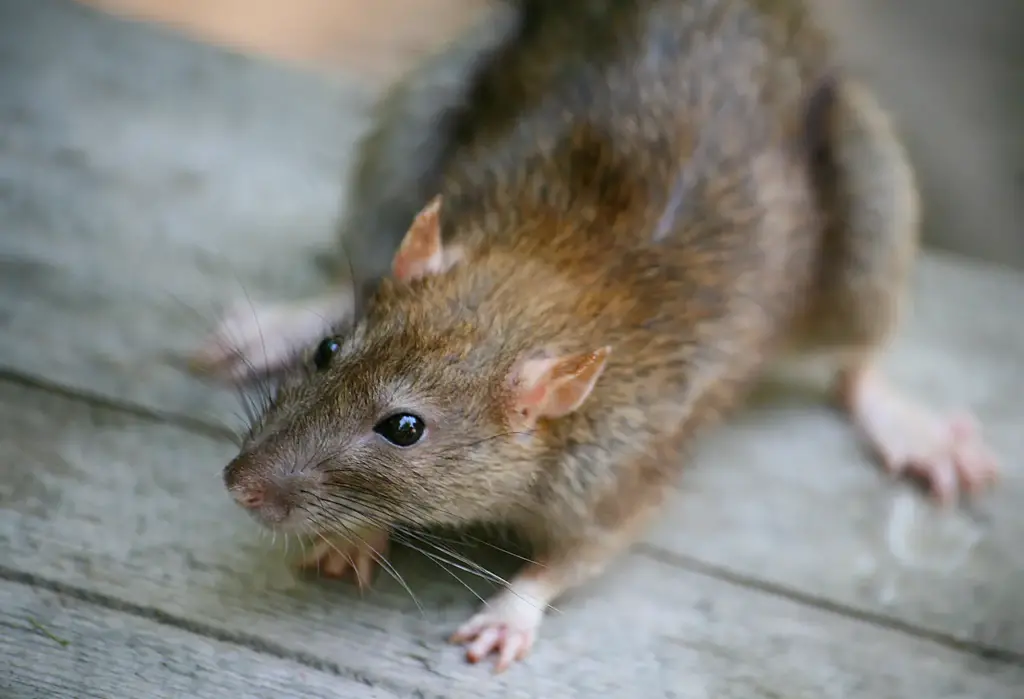
A Rat on the Woods
A Rat on the Woods
Another consideration when feeding oats to rats is their individual preferences and tolerances. Like humans, rats may exhibit varying tastes and digestive sensitivities. Some rats may readily accept oats as part of their diet, while others may show little interest or experience digestive upset after consumption. It’s essential to observe your rat’s response to oats and adjust their diet accordingly. If a rat displays signs of gastrointestinal discomfort, such as bloating, diarrhea, or decreased appetite, it’s advisable to discontinue feeding oats and consult a veterinarian if necessary. In addition to considering the nutritional aspects and potential risks of feeding oats to rats, it’s crucial to acknowledge the role of variety and balance in their diet. While oats can offer nutritional diversity and enrichment, they should be supplemented with other foods to ensure a well-rounded diet for rats. Fresh fruits, vegetables, lean proteins, and occasional treats can contribute to a diverse and stimulating diet for pet rats. In conclusion, oats can be a beneficial addition to a rat’s diet when offered in moderation and with careful consideration. They offer a wealth of essential nutrients, including carbohydrates, fibre, protein, vitamins, and minerals, that can support rat health and well-being. However, moderation, proper preparation, and attentiveness to individual rat preferences and tolerances are crucial when incorporating oats into a rat’s diet. By considering these factors, rat owners can provide their furry companions with a nutritious and enjoyable dining experience while promoting their overall health and longevity.

We get asked — pet rat food FAQ

What should make up most of a rat’s diet?

About 80% lab block (Mazuri, Oxbow Regal Rat, Envigo Teklad) or a high-quality multi-grain rat mix, and 20% fresh toppings — vegetables, small fruit pieces, lean protein. About 15-20g of base food per rat per day (one heaped tablespoon).

Are rats really omnivores?

Yes — closer to a small dog than a guinea pig. They need protein (cooked chicken, egg, mealworms a few times a week), tolerate dairy in small amounts, and handle cooked grains and most cooked vegetables. The big exceptions are the citrus-peel issue for male rats and the carbonated-drinks issue (rats can’t burp).

Which signs send me to a vet?

  • Red or brown crust around eyes/nose (porphyrin — stress or illness)
  • Wheezing, sneezing more than once a day (mycoplasma flare-up)
  • Lumps anywhere, especially in older females (mammary tumours)
  • Hind-leg dragging or weakness in older males (HLD)
  • Head tilt (middle-ear infection)
  • Not eating for 8+ hours

Related reading

Portion sizes & serving rules

Rats are tiny, so portion sense matters. The standard fresh-topping serving for a single adult rat is roughly one teaspoon. With a trio that’s a tablespoon total. Anything larger and they cache the rest, often leaving it to spoil in a hammock corner. Removing uneaten fresh food after a few hours saves cleaning time later.

Our 80/20 split: ~80% lab block / quality rat mix, ~20% fresh toppings. The toppings should rotate through proteins, veg, and the occasional fruit treat. Two protein meals a week (cooked egg or chicken or mealworms) keep muscle tone up, especially in older rats.

Male vs female food sensitivities

One genuine sex-specific issue: d-limonene, the compound in citrus peel, is metabolised into a kidney-toxic metabolite in male rats. Female rats handle it without harm. Tiny amounts of orange flesh are fine for both — but no peel, ever, for males, and to keep it simple we avoid citrus across all our rats.

Older males (over 18 months) also benefit from higher-protein, lower-fat toppings as they trend toward muscle loss. Older females need closer monitoring for mammary lumps, which respond well to early surgery.

Enrichment-feeding ideas

  • Pea fishing — frozen peas in a shallow dish of water
  • Mealworm scatter in a dig box of shredded paper
  • Treat ball with dry mix to puzzle out
  • Smear of peanut butter on a cardboard tube interior
  • Yogurt dot on a flat plate — they lap it like cats

Warning signs after a new food

  • Soft or runny stool within 24 hours
  • Excessive thirst (especially after sugary fruit)
  • Reduced appetite for normal food
  • Lethargy or hiding behaviour change
  • Porphyrin (red/brown crusty) around eyes or nose — stress flag

Most issues resolve in 24 hours when the suspect food is removed. Anything persisting longer than a day, or symptoms that worsen, is a vet call. Full warning list in our complete rat care guide.

Page last updated 17 May 2026. We re-check our pet-care content regularly and update when something changes.

You might also like

Blue Nose Pitbull
Dogs

Blue Nose Pitbull

The Ultimate Blue Nose Pitbull Guide Thanks to unfair portrayals in media and pop-culture, Pit Bull Terriers have gotten a bad reputation. Many people mistakenly

Can Guinea Pigs Eat Grapes Or Not
Guinea Pigs

Can Guinea Pigs Eat Grapes?

Can Guinea Pigs Eat Grapes Or Not? If you have a guinea pig, then you already know that these are some of the funniest and