
Can Guinea Pigs Eat Blueberries Or Not?
Guinea pigs are adorable herbivorous rodents who love to eat all kinds of fruits and vegetables. In addition to this, they also get many essential vitamins for their health and overall functioning. Yes – guinea pigs can eat blueberries. Even though blueberries have a high nutritional make-up, all fruits, including blueberries, should only be a small portion, i.e., 5% of the entire diet plan for your guinea pig. Another thing to note is that not all; guinea pigs are alike or have the same food preferences. So while some guinea pigs may love sweet tastes such as eating fruits, others may not and prefer to eat things like spinach instead. This article will discuss everything you need to know about feeding guinea pigs blueberries, how to feed, and how much.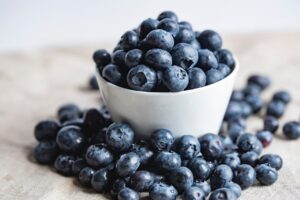
Can guinea pigs have blueberries?
The answer is YES! It is okay for guinea pigs to consume blueberries. Blueberries have a lot of vitamins and antioxidants, which are essential for a guinea pig. However, you need to be cautious about how much you feed them because blueberries are naturally acidic and contain sugar. These properties of blueberries may be harmful to your guinea pig’s health in the long run if you overfeed them with blueberries. Blueberries are not recommended for baby guinea pigs. Especially for the first few days after birth, the baby guinea pig’s diet should be strictly mother’s milk, water, and high-quality hay. After the baby guinea pigs grow out of their breastfeeding days, you can start feeding them blueberries.Are blueberries good for guinea pigs?
There are many benefits of blueberries. With that said, even with all the plus points of blueberries for guinea pigs, moderation is the answer for optimal functioning. It is mainly given as a snack for guinea pigs instead of regular diet food. It is also important to only feed your guinea pigs fresh blueberries and not the dehydrated or dried ones. Let’s take a look at some of the benefits of consuming blueberries for guinea pigs:Vitamin C
Vitamin C can prevent scurvy in guinea pigs. It will aid in healthy teeth and overall good oral health. Since guinea pigs cannot synthesize Vitamin C on their own, it is good to give them food containing vitamin C to prevent deficiency.Antioxidants
Blueberries are a great source of antioxidants. Free radicals that may cause diseases in guinea pigs can be prevented through antioxidants present in blueberries.Calcium
Blueberries have a low calcium content which is great for guinea pigs as too much calcium can prove fatal for them. The correct amount of calcium in their body will help them have stronger teeth and bones.Vitamin K
Blueberries contain Vitamin K, a fat-soluble vitamin that plays a crucial role in healthy blood clotting. Without this vitamin, guinea pigs cannot recover well from injuries, leading to more infections.Manganese
Manganese found in blueberries helps guinea pigs maintain a healthy blood sugar level. This is great for guinea pigs as they tend to be more prone to diabetes and high sugar levels. It also aids Vitamin K in blood clotting and provides the body with antioxidants.Low-calorie count
The sugar found in blueberries is healthy and does not contain many calories; hence, it is beneficial for guinea pigs to eat them. This also ensures that the heart rate and blood pressure in the guinea pigs are normal and regulated. It is crucial to incorporate a low-calorie diet for your guinea pigs since they are prone to weight gain and obesity, which have many related diseases.High fiber content
Blueberries are rich in fiber which means that they are suitable for digestion. Since a guinea pig’s diet primarily consists of water and hay, blueberries can be great for helping digest the food properly. However, if you overfeed them with too many blueberries, the high fiber count can work against your guinea pig’s digestive system and cause constipation instead.How to feed blueberries to guinea pigs?
You can feed fresh blueberries to guinea pigs, or you can freeze it as well, but make sure that you thaw it before serving. They can also consume the leaves of the blueberries or the twigs. It is not recommended to feed dried or dehydrated blueberries to guinea pigs. Another vital point to note if you are considering adding blueberries to your guinea pigs’ diet is that some guinea pigs may get sores in their mouth from consuming blueberries. Hence, it is best to provide them in small amounts and gradually build them up in their diet.How many blueberries to feed guinea pigs?
Even if blueberries are a good source of vitamins and antioxidants for guinea pigs, it is not safe to feed blueberries to guinea pigs every day. Guinea pigs should not have more than 2 or 3 whole blueberries in a day. This will help control and regulating the sugar content as well as the acidity that is in blueberries. The best diet plan with blueberries for guinea pigs would be to feed them the right amount (2-3 whole berries) once a week.Risks to think about before you feed blueberries to guinea pigs:
Acid content:
High acidity can cause mouth sores and ulcers in guinea pigs. Some guinea pigs may be more prone to mouth sores than others which can become an issue when you feed them too many blueberries with high acidity.Sugar Content:
One of the primary reasons experts recommend not more than 5% of fruits in a guinea pig’s diet is sugar content. Blueberries also contain sugar, which, if not moderated, can become fatal, leading to chronic diseases such as diabetes. It can also cause stomach pain, high blood pressure, weight gain, and obesity in guinea pigs.Final thoughts
Blueberries are a first-rate source of essential nutrients for guinea pigs. It is packed with antioxidants, vitamins, and minerals, which are good for them. A majority of guinea pigs are also known to love blueberries and are happy to eat them. However, it would be best to feed them blueberries in moderation as too much can lead to many health problems that can become fatal. It is also a smart move to consult your vet before introducing blueberries or any other fruit, for that matter, to your pet’s diet.We get asked — guinea pig food FAQ
How much fresh veg should a guinea pig eat per day?
About 1 cup of fresh vegetables per pig per day, ideally split into two meals (morning and evening). Hay should still be 80% of the diet and available unlimited. Pellets are a small daily addition, not a meal replacement.
What’s the most important nutrient for guinea pigs?
Vitamin C. Guinea pigs cannot manufacture their own and must get it daily from fresh food. Bell pepper is the gold-standard source. Vitamin C in pellets oxidises within weeks of opening, so don’t rely on pellets alone. See our food safety master list for daily portion guidance.
What signs should send me to a vet?
- Not eating for 12+ hours (GI stasis — emergency)
- Not pooping (or smaller, drier poops than usual)
- Crusty eyes, wheezing, or sneezing more than once a day (URI)
- Hunched posture, fluffed coat, hiding
- Sudden weight loss (weigh weekly to catch this early)
- Blood in urine, hunching when peeing
A pig that hasn’t eaten in 12 hours is an emergency, not a “wait and see” situation. More detail in our vet warning signs pillar.
Related reading
- The complete guinea pig care guide — diet, housing, social pairs, lifespan
- Master food safety table
- Cage setup & size guide — most pet-shop cages are too small
- RSPCA UK — Guinea pig welfare standards
Portion sizes & serving rules
Across every “can guinea pigs eat X” question, the same portion-size rules apply. A piece of new food should be no larger than a thumbnail the first time, watched for soft poops or gas over the next 24 hours, then offered as part of the regular rotation if no issues. Adult guinea pigs (over 6 months) get about a cup of total fresh veg per day, divided between morning and evening — never one big plate at once.
The “5×5” rule we use: at least five different vegetables across each week, and no single veg more than five days in seven. This rotation prevents calcium build-up (parsley, kale, spinach) and stops one food becoming a fixation that displaces hay intake.
Calcium, oxalates, and bladder stones
Bladder stones are one of the most common reasons guinea pigs end up in surgery. They form when calcium-heavy diet combines with poor hydration. The high-calcium foods you should rotate rather than feed daily:
- Parsley (very high)
- Kale (high)
- Spinach (high — also high oxalates)
- Mustard greens, dandelion greens, beet greens
- Mineral-rich pellets if your tap water is hard
The fix is straightforward: rotate, don’t accumulate. Two days of parsley followed by five days of romaine and bell pepper keeps the calcium load moderate. Filtered water for households with very hard tap water.
Three quick checks before any new food
- Sugar / starch content. Sugary or starchy foods cause gut bacteria imbalances. Limit fruits to 2-3x a week as treats; same for high-starch roots.
- Calcium load. If you’ve been feeding lots of kale/parsley, today is a cucumber day.
- Pesticide residue. Wash everything. Skip waxy supermarket fruits if you can’t peel them.
When to stop and call a vet
Symptoms within 24 hours of a new food that warrant a call:
- No or markedly fewer poops
- Soft, mushy, smelly poops
- Reduced appetite for hay
- Hunched posture, fluffed coat, hiding more than usual
- Drooling or food-dropping (potential dental + diet interaction)
- Bloated, hard belly
Stop offering the suspect food, increase hay, monitor closely. If symptoms last more than 12 hours, that’s a vet call. Our team’s full reference list of warning signs lives in the vet warning signs pillar.
Page last updated 17 May 2026. We re-check our pet-care content regularly and update when something changes.