Can Guinea Pigs Eat Candy?
While many people believe that candy is bad for animals, the truth is that guinea pigs can enjoy the occasional treat. In fact, candy can provide essential nutrients that can help to keep your guinea pig healthy. However, it is important to moderation and to choose candy that is free of toxins. For example, dark chocolate can be harmful to animals, so it is best to avoid giving your guinea pig any sweets that contain this ingredient. All in all, while a little bit of candy can be good for your guinea pig, it is important to feed them a balanced diet that includes plenty of vegetables and hay. You can feed them things like cauliflower, corn husks and cranberries.Can guinea pigs have candy?
While most people strictly associate candy with humans, can guinea pigs eat candy is actually a common question that many guinea pig owners are curious about. Of course, as with any other food, it can be difficult to know whether it is safe or not without doing some research. Fortunately, there is some evidence that suggests that there can in fact be some health benefits for guinea pigs to eat candy from time to time.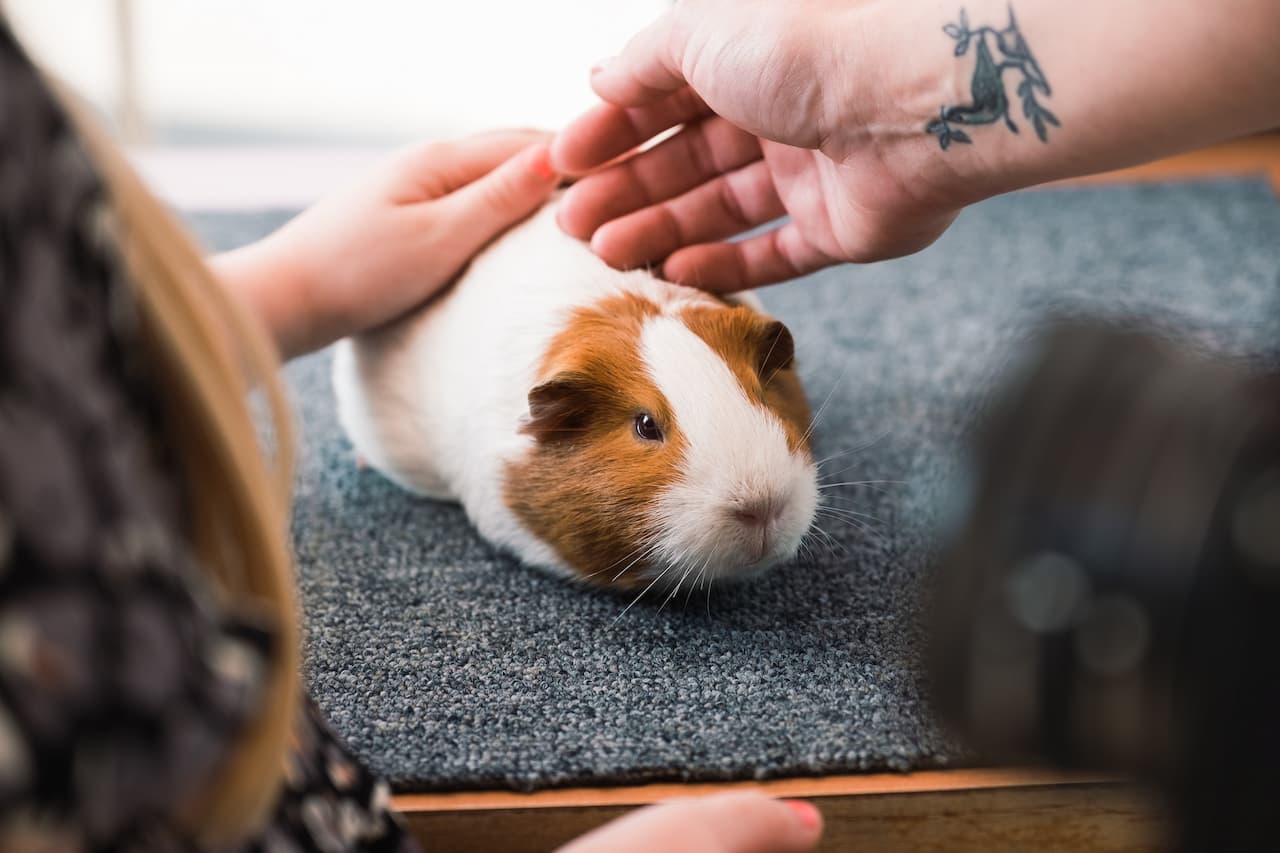 For starters, candy can be high in essential nutrients like protein and fiber, which can help to keep your guinea pig’s digestive system functioning properly. In addition, the sugar content of some candies can provide your pet with a quick burst of energy if they seem rundown or lethargic. And finally, the high levels of taste enhancers like vanilla can help to stimulate your pet’s tastebuds and satisfy their natural craving for sweets.
While it certainly isn’t recommended as a regular part of their diet, there are definitely times when a piece of candy can make a great treat for your little friend! Just make sure to always check with your vet first before giving your guinea pig anything new to eat.
For starters, candy can be high in essential nutrients like protein and fiber, which can help to keep your guinea pig’s digestive system functioning properly. In addition, the sugar content of some candies can provide your pet with a quick burst of energy if they seem rundown or lethargic. And finally, the high levels of taste enhancers like vanilla can help to stimulate your pet’s tastebuds and satisfy their natural craving for sweets.
While it certainly isn’t recommended as a regular part of their diet, there are definitely times when a piece of candy can make a great treat for your little friend! Just make sure to always check with your vet first before giving your guinea pig anything new to eat.
Are there any health risks for guinea pigs?
There are many different types of candy that can be safely fed to your pet guinea pig, including gummy candies, chocolate bars, sweets like lollipops or hard candies, and even lumps of cake or cookies. Just be sure to avoid any type of candy that contains nuts or raisins, as these can be dangerous for your pet’s sensitive digestive system.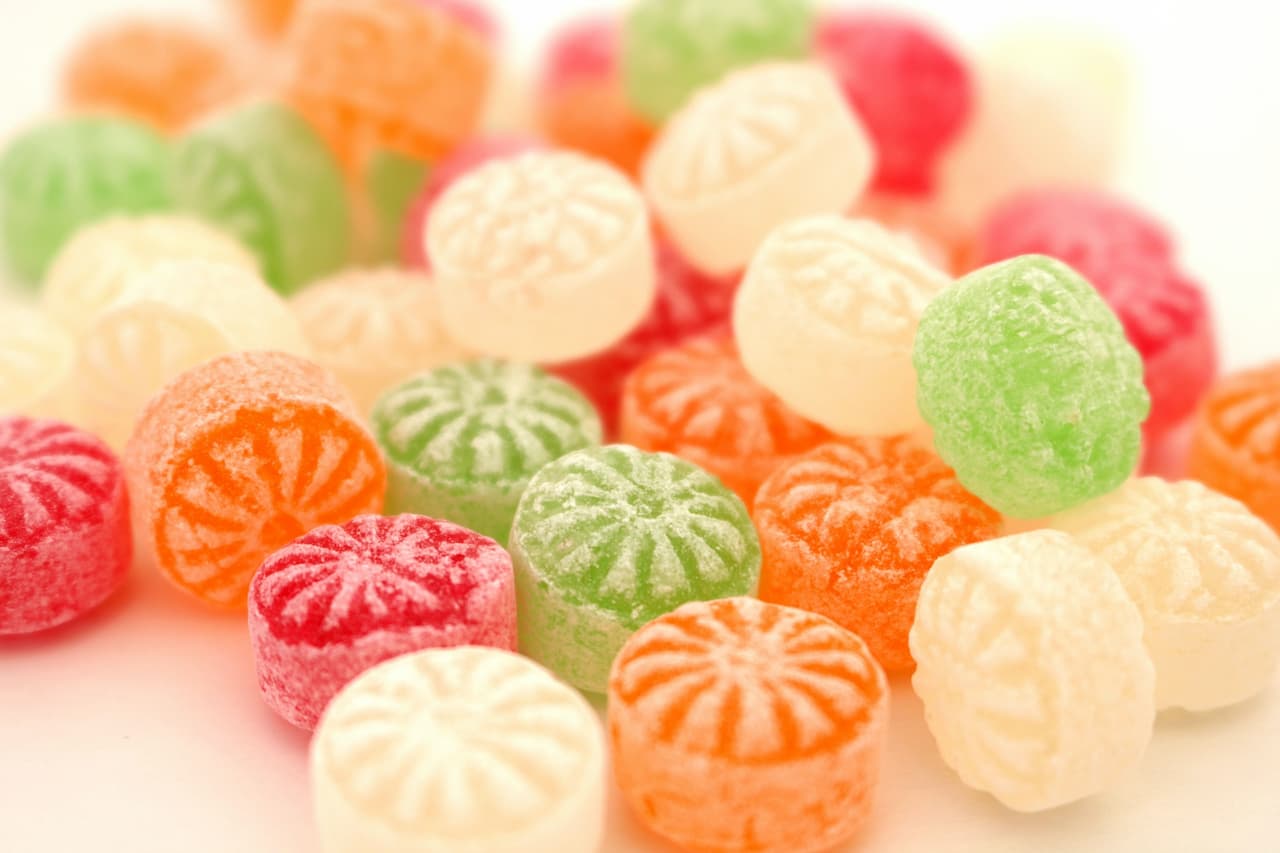 So if you want to pamper your favorite little rodent with a tasty treat, feel free to give them a few pieces of their favorite type of candy. Just be sure to follow a well-balanced diet the rest of the time to ensure your guinea pig stays healthy and happy!
Alternatives for guinea pigs
1. Veggies and fruits
Guinea pigs are herbivores, so they will naturally love veggies and fruits. Some good picks include carrots, celery, peppers, leafy greens, berries, apples, and bananas. These foods provide them with a wide range of vitamins and nutrients, as well as plenty of fiber to keep their digestive systems in check. Plus, most guinea pigs can’t seem to get enough juicy fruit!2. Hay
In addition to fresh veggies and fruits, it’s important to supplement guinea pigs’ diets with lots of high-quality hay. This provides them with the essential vitamins and minerals that they need for good overall health, while also keeping their teeth worn down to prevent overcrowding or other dental issues. To make things even better, hay is often more affordable than other types of food for guinea pigs.3. Pellets
Guinea pigs also need some protein in their diet, which can be found in the form of specialized pellets that are specifically made for these animals’ needs. These pellets come in different varieties depending on the age and gender of your pet guinea pig – be sure to consult your veterinarian or an online guide to choose the right kind for your pet’s individual needs So there you have it, everything you need to know about whether or not guinea pigs can eat candy. Hopefully this has been informative and helpful, but if you’re still not sure, the best thing to do is ask your vet. And of course, we all know that the real question isn’t whether or not guinea pigs can eat candy, but if they should. After all, we all know that too much sugar isn’t good for anyone – even our furry little friends.We get asked — guinea pig food FAQ
How much fresh veg should a guinea pig eat per day?
About 1 cup of fresh vegetables per pig per day, ideally split into two meals (morning and evening). Hay should still be 80% of the diet and available unlimited. Pellets are a small daily addition, not a meal replacement.
What’s the most important nutrient for guinea pigs?
Vitamin C. Guinea pigs cannot manufacture their own and must get it daily from fresh food. Bell pepper is the gold-standard source. Vitamin C in pellets oxidises within weeks of opening, so don’t rely on pellets alone. See our food safety master list for daily portion guidance.
What signs should send me to a vet?
- Not eating for 12+ hours (GI stasis — emergency)
- Not pooping (or smaller, drier poops than usual)
- Crusty eyes, wheezing, or sneezing more than once a day (URI)
- Hunched posture, fluffed coat, hiding
- Sudden weight loss (weigh weekly to catch this early)
- Blood in urine, hunching when peeing
A pig that hasn’t eaten in 12 hours is an emergency, not a “wait and see” situation. More detail in our vet warning signs pillar.
Related reading
- The complete guinea pig care guide — diet, housing, social pairs, lifespan
- Master food safety table
- Cage setup & size guide — most pet-shop cages are too small
- RSPCA UK — Guinea pig welfare standards
Portion sizes & serving rules
Across every “can guinea pigs eat X” question, the same portion-size rules apply. A piece of new food should be no larger than a thumbnail the first time, watched for soft poops or gas over the next 24 hours, then offered as part of the regular rotation if no issues. Adult guinea pigs (over 6 months) get about a cup of total fresh veg per day, divided between morning and evening — never one big plate at once.
The “5×5” rule we use: at least five different vegetables across each week, and no single veg more than five days in seven. This rotation prevents calcium build-up (parsley, kale, spinach) and stops one food becoming a fixation that displaces hay intake.
Calcium, oxalates, and bladder stones
Bladder stones are one of the most common reasons guinea pigs end up in surgery. They form when calcium-heavy diet combines with poor hydration. The high-calcium foods you should rotate rather than feed daily:
- Parsley (very high)
- Kale (high)
- Spinach (high — also high oxalates)
- Mustard greens, dandelion greens, beet greens
- Mineral-rich pellets if your tap water is hard
The fix is straightforward: rotate, don’t accumulate. Two days of parsley followed by five days of romaine and bell pepper keeps the calcium load moderate. Filtered water for households with very hard tap water.
Three quick checks before any new food
- Sugar / starch content. Sugary or starchy foods cause gut bacteria imbalances. Limit fruits to 2-3x a week as treats; same for high-starch roots.
- Calcium load. If you’ve been feeding lots of kale/parsley, today is a cucumber day.
- Pesticide residue. Wash everything. Skip waxy supermarket fruits if you can’t peel them.
When to stop and call a vet
Symptoms within 24 hours of a new food that warrant a call:
- No or markedly fewer poops
- Soft, mushy, smelly poops
- Reduced appetite for hay
- Hunched posture, fluffed coat, hiding more than usual
- Drooling or food-dropping (potential dental + diet interaction)
- Bloated, hard belly
Stop offering the suspect food, increase hay, monitor closely. If symptoms last more than 12 hours, that’s a vet call. Our team’s full reference list of warning signs lives in the vet warning signs pillar.
Page last updated 17 May 2026. We re-check our pet-care content regularly and update when something changes.