Can Guinea Pigs Eat Corn Husks?
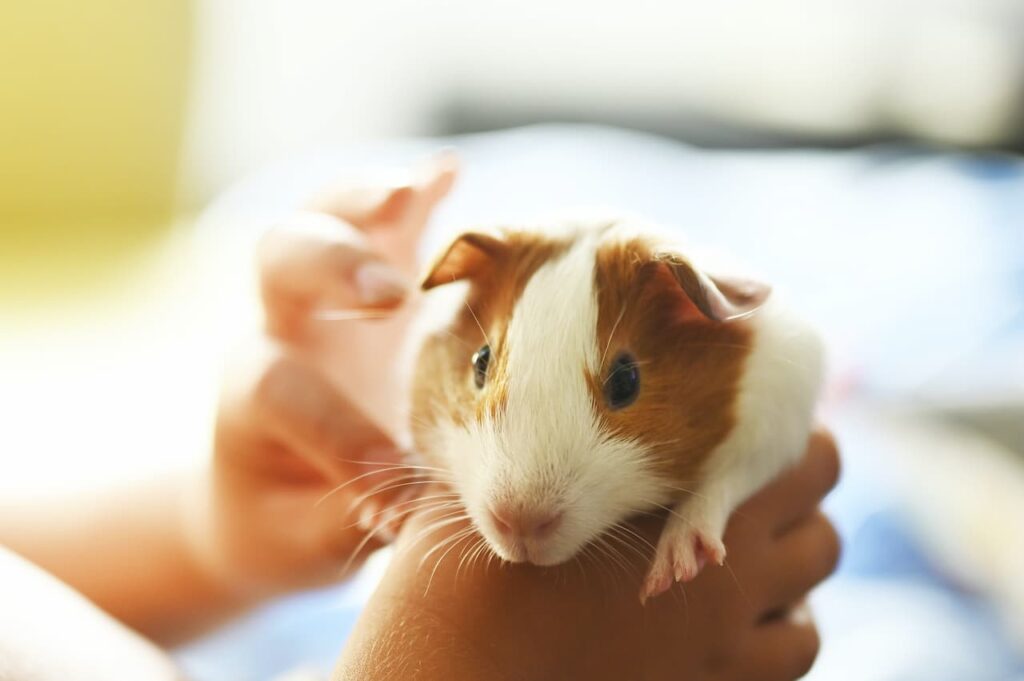
Across a variety of cultures, the biodegradable yet strong corn husks have a high intrinsic value. It’s a common sight in many kitchens due to its usefulness in numerous dishes. If you’re into tamales or wrappers, corn husks are something that you’ll be quite used to seeing. However, here’s a question: can you give corn husks to guinea pigs? Will it be harmful if you were to feed corn husks to guinea pigs? In minimal amounts, for sure, corn husks can be a go-to snack for guinea pigs to nibble on. Apart from being an efficient chew toy, corn husks contain nutrients essential for the well-being of your guinea pig. Thus, if that’s crystal clear, let’s figure out what corn husks mean to your guinea pig.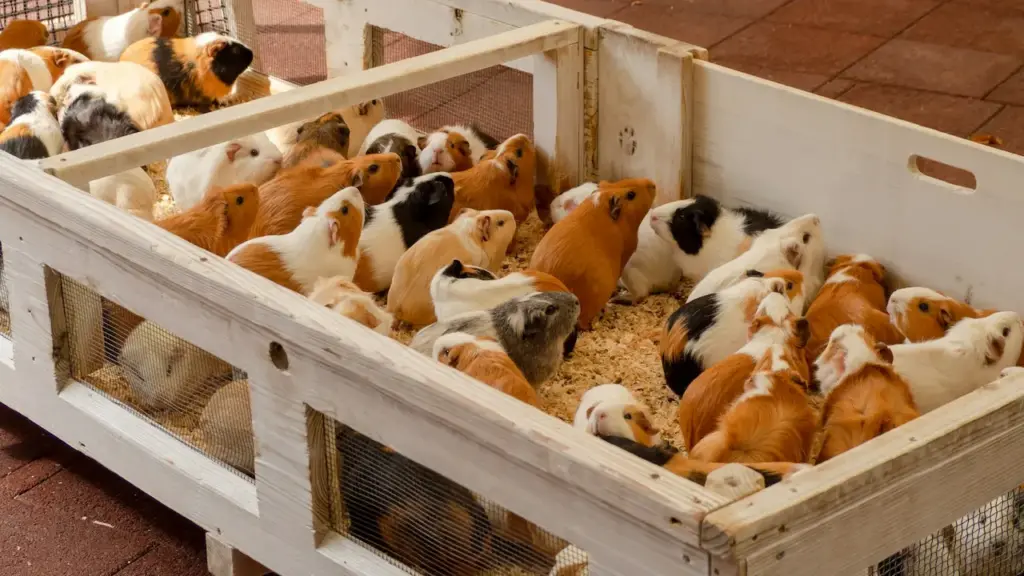
Can guinea pigs have corn husks?
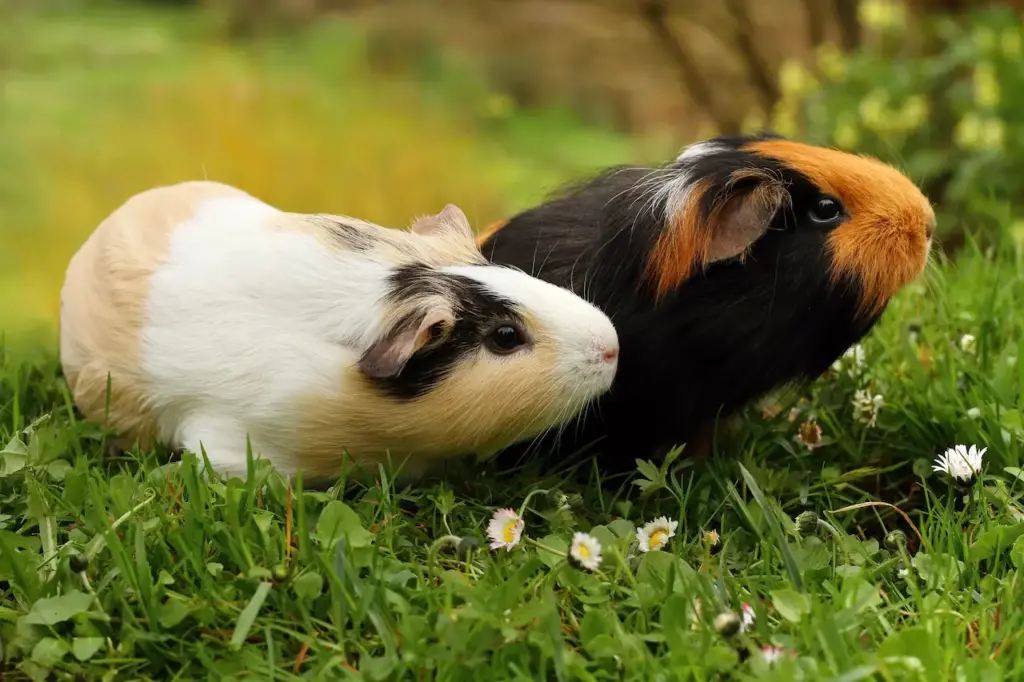
Guinea pigs can definitely have corn husks, albeit in very minimal amounts. Corn husks are very rich in terms of flour and salt content. That’s why if not controlled, such abundant levels of flour and salt can really mess with the health of your guinea pig. If you intend to feed your fluffy rodent corn husks, make sure to wash them properly to remove traces of pesticides. Also, ensure that you select the husk from the part of the cob that’s closest to it. After consuming the tasty nutritional snack, keep a thorough check for any physical side effects.Are corn husks good for guinea pigs?
In terms of nutritional value, texture, and taste, corn husks are very much like grass or hay. It houses an abundant source of fibre for your guinea pig. Thus, corn husks are ideal and extremely good for guinea pigs. Consider feeding them other foods like pumpkin to increase the variety of their diet. It’ll help in the healthy development of your fluffy friend unless given in excess. With that in mind, let’s quickly look into the benefits of having corn husks in your guinea pig’s diet.Proteins
It’s a known fact that corn, in general, is an efficient source of carbs. That also extends to the Corn Husks. Not only that, but it also fulfils the protein needs of your guinea pig as an alternate source. Protein is essential for the creation of hemoglobin and growth in guinea pigs, just as it is for humans as well. Thus, it further translates to an efficient and oxygenated circulation of blood.Minerals
Fibers and Carbs
As stated earlier, corn husks offer an abundant source of fibre and carbs. In order to maintain and provide high energy levels for your guinea pig, carbs are crucial. Fibers are necessary for the healthy sustenance of the gut and overall digestive system.Antioxidants
Antioxidants are an essential component of your guinea pig’s diet. Vitamin C, selenium, manganese as well as Vitamin A are some of the antioxidants present in corn husks. Vitamin C assists in facilitating wound healing, maintains vascular integrity, and builds immunity against various diseases. The fact that guinea pigs can neither produce nor store Vitamin C makes the antioxidant even more crucial. With regards to selenium, manganese, and Vitamin A, they protect the guinea pigs from free radical damage. These antioxidants achieve that through the removal of such radicals from their bodies. Also, it slows down the aging process and helps attain a healthy and strong immune system.Corn husks keep the blood healthy
Corn husks are efficient sources of two minerals that are essential for healthy blood. These minerals are copper and iron. They are vital for a strong and healthy immune system. Copper is responsible for the synthesis of new RBCs (Red Blood Cells) that houses iron in the body. Furthermore, iron helps prevent anemia (loss of appetite, illness, weakness) by offering energy and ridding the body of fatigue. In this way, iron and copper work in tandem to maintain the immune system as well as keep the blood healthy.Corn husks assist in achieving satiety
Since these are a great source of both carbs and proteins, the guinea pigs are sure to feel full after consuming corn husks. Not only do corn husks assist guinea pigs in feeling satiated, but it also ensure they stay full for longer durations. But that doesn’t mean that you should binge-feed your guinea pig Corn husks. Keep the intake to a minimum. Remember that corn husks also store salt and flour in abundance. Uncontrolled intake can lead to massive variations in your guinea pig’s weight.How much corn husk can guinea pigs eat?
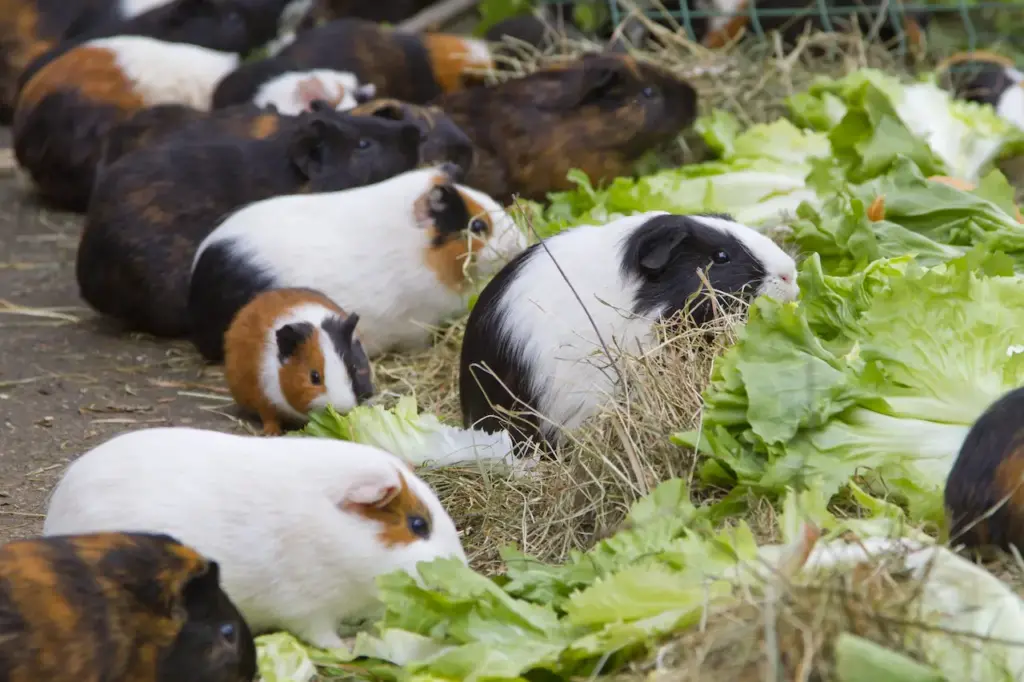
- Only provide corn husks as it is; fresh.
- Select the husk that’s closest to the cob. In case you choose the outer layers, ensure to wash them carefully. Remove all traces of pesticides and fertilizers.
- Do not provide too much at once.
We get asked — guinea pig food FAQ
How much fresh veg should a guinea pig eat per day?
About 1 cup of fresh vegetables per pig per day, ideally split into two meals (morning and evening). Hay should still be 80% of the diet and available unlimited. Pellets are a small daily addition, not a meal replacement.
What’s the most important nutrient for guinea pigs?
Vitamin C. Guinea pigs cannot manufacture their own and must get it daily from fresh food. Bell pepper is the gold-standard source. Vitamin C in pellets oxidises within weeks of opening, so don’t rely on pellets alone. See our food safety master list for daily portion guidance.
What signs should send me to a vet?
- Not eating for 12+ hours (GI stasis — emergency)
- Not pooping (or smaller, drier poops than usual)
- Crusty eyes, wheezing, or sneezing more than once a day (URI)
- Hunched posture, fluffed coat, hiding
- Sudden weight loss (weigh weekly to catch this early)
- Blood in urine, hunching when peeing
A pig that hasn’t eaten in 12 hours is an emergency, not a “wait and see” situation. More detail in our vet warning signs pillar.
Related reading
- The complete guinea pig care guide — diet, housing, social pairs, lifespan
- Master food safety table
- Cage setup & size guide — most pet-shop cages are too small
- RSPCA UK — Guinea pig welfare standards
Portion sizes & serving rules
Across every “can guinea pigs eat X” question, the same portion-size rules apply. A piece of new food should be no larger than a thumbnail the first time, watched for soft poops or gas over the next 24 hours, then offered as part of the regular rotation if no issues. Adult guinea pigs (over 6 months) get about a cup of total fresh veg per day, divided between morning and evening — never one big plate at once.
The “5×5” rule we use: at least five different vegetables across each week, and no single veg more than five days in seven. This rotation prevents calcium build-up (parsley, kale, spinach) and stops one food becoming a fixation that displaces hay intake.
Calcium, oxalates, and bladder stones
Bladder stones are one of the most common reasons guinea pigs end up in surgery. They form when calcium-heavy diet combines with poor hydration. The high-calcium foods you should rotate rather than feed daily:
- Parsley (very high)
- Kale (high)
- Spinach (high — also high oxalates)
- Mustard greens, dandelion greens, beet greens
- Mineral-rich pellets if your tap water is hard
The fix is straightforward: rotate, don’t accumulate. Two days of parsley followed by five days of romaine and bell pepper keeps the calcium load moderate. Filtered water for households with very hard tap water.
Three quick checks before any new food
- Sugar / starch content. Sugary or starchy foods cause gut bacteria imbalances. Limit fruits to 2-3x a week as treats; same for high-starch roots.
- Calcium load. If you’ve been feeding lots of kale/parsley, today is a cucumber day.
- Pesticide residue. Wash everything. Skip waxy supermarket fruits if you can’t peel them.
When to stop and call a vet
Symptoms within 24 hours of a new food that warrant a call:
- No or markedly fewer poops
- Soft, mushy, smelly poops
- Reduced appetite for hay
- Hunched posture, fluffed coat, hiding more than usual
- Drooling or food-dropping (potential dental + diet interaction)
- Bloated, hard belly
Stop offering the suspect food, increase hay, monitor closely. If symptoms last more than 12 hours, that’s a vet call. Our team’s full reference list of warning signs lives in the vet warning signs pillar.
Page last updated 17 May 2026. We re-check our pet-care content regularly and update when something changes.