Can Guinea Pigs Eat Cranberries Safely?
In the realm of responsible guinea pig care, dietary considerations play a pivotal role in ensuring their health and well-being. As herbivores with unique nutritional needs, guinea pigs thrive on a diet rich in fibre, vitamins, and minerals. When it comes to introducing new foods to their diet, questions often arise about the safety and suitability of various fruits and vegetables. One such fruit that garners attention is the tart and tangy cranberry. But can guinea pigs eat cranberries? Let’s explore the nutritional content of cranberries, potential health benefits, risks associated with their consumption, and guidelines for incorporating them into a guinea pig’s diet responsibly. Cranberries, with their vibrant red hue and distinctive tart flavour, are renowned for their potential health benefits and culinary versatility. Rich in vitamins, minerals, and antioxidants, cranberries offer an array of nutrients that can support overall health. They are particularly valued for their high content of vitamin C, a crucial nutrient for guinea pigs, as they are unable to synthesize it internally and must obtain it through their diet to prevent deficiencies and related health issues.
Can Cranberries be eaten by Guinea Pigs?
It is safe to feed your Guinea Pig cranberries, but they must be consumed in moderation. They should only be given as a treat occasionally. Overeating may lead to health issues like obesity, and an unbalanced diet. The sugar, water and carbohydrates in cranberries can also cause digestive issues for your Guinea Pig. These include stomach pain, diarrhea, indigestion or constipation. The high oxalate content in cranberries can also contribute to the formation of kidney stones. Avoid feeding other sweet fruits and vegetables to your Guinea Pig along with cranberries. Fresh fruit is best served as a special treat since preserved fruits tend to have added sugar.How to serve Cranberries to your Guinea Pig
Once or twice a month, give your Guinea Pig a couple of cranberries. Be sure to wash them well. The seeds are also edible, as they are easy to digest contain omega 3 and 6 and are soft. Avoid the bitter leaves and stems, as they can be harmful to their health and taste bad. Guinea pigs should also avoid dried cranberries because they are high in sugar and calories. If you want to give your Guinea Pig cranberries, it is best to use fresh fruit. Avoid jars and cranberry sauce as they contain ingredients that can upset their stomachs.A Healthy Guinea Pig Diet
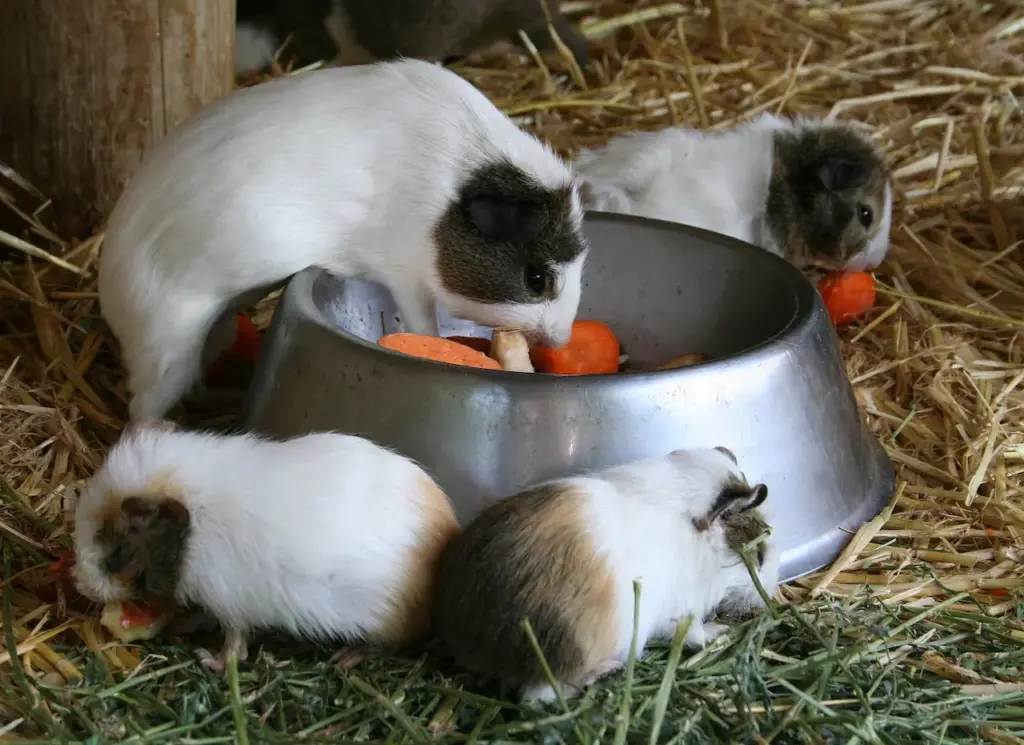
Cranberries have many health benefits
The small berries are packed with benefits.- Vitamin C Guinea Pigs need vitamin C every day since they can’t produce it. Vitamin C-rich foods can prevent hypovitaminosis C or scurvy. They also promote wound healing and boost the immune system.
- Managing urinary tract infections: The evidence is mixed on the use and effects of cranberries or cranberry extract in treating human urinary disease. It has been proven that cranberries can help prevent E.coli from adhering to the walls of the urinary bladder, preventing UTIs. The benefits may help your Guinea Pig, but you should weigh them against the potential risk of urinary stones. For more information, discuss with your veterinarian.
- Fibre added: Additional fibre prevents obesity and diabetes and Improves digestion.
- Added Vitamin E: Vitamin E can benefit your Guinea Pig, preventing cataracts and arthritis. It also lowers the risk of cancer.
We get asked — guinea pig food FAQ
How much fresh veg should a guinea pig eat per day?
About 1 cup of fresh vegetables per pig per day, ideally split into two meals (morning and evening). Hay should still be 80% of the diet and available unlimited. Pellets are a small daily addition, not a meal replacement.
What’s the most important nutrient for guinea pigs?
Vitamin C. Guinea pigs cannot manufacture their own and must get it daily from fresh food. Bell pepper is the gold-standard source. Vitamin C in pellets oxidises within weeks of opening, so don’t rely on pellets alone. See our food safety master list for daily portion guidance.
What signs should send me to a vet?
- Not eating for 12+ hours (GI stasis — emergency)
- Not pooping (or smaller, drier poops than usual)
- Crusty eyes, wheezing, or sneezing more than once a day (URI)
- Hunched posture, fluffed coat, hiding
- Sudden weight loss (weigh weekly to catch this early)
- Blood in urine, hunching when peeing
A pig that hasn’t eaten in 12 hours is an emergency, not a “wait and see” situation. More detail in our vet warning signs pillar.
Related reading
- The complete guinea pig care guide — diet, housing, social pairs, lifespan
- Master food safety table
- Cage setup & size guide — most pet-shop cages are too small
- RSPCA UK — Guinea pig welfare standards
Page last updated 17 May 2026. We re-check our pet-care content regularly and update when something changes.