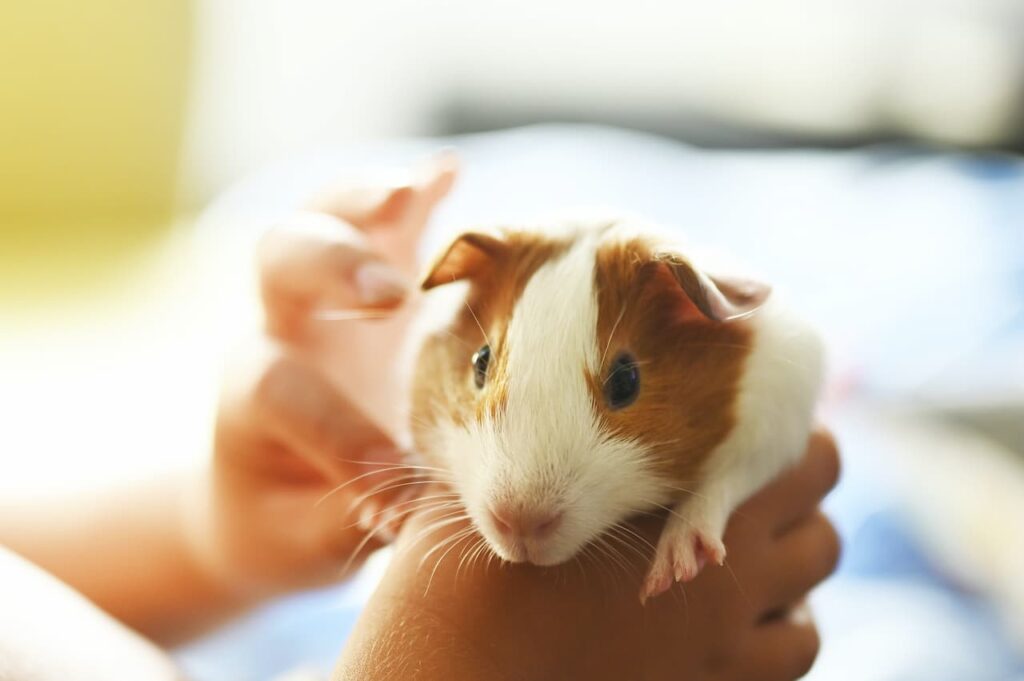
Can Guinea Pigs Eat Raspberries?
Guinea pigs are allowed to eat raspberries in small quantities. You should read both the benefits and drawbacks of eating raspberries for your guinea pig so that you can decide if it is healthy or not! “Can guinea pigs eat raspberries?” This seemingly straightforward inquiry opens a window into the intricate world of guinea pig nutrition, prompting an exploration of the suitability of raspberries as a dietary component for these beloved small pets. Raspberries, celebrated for their vibrant colour, sweet-tart flavour, and nutritional richness, are a common fruit enjoyed by humans. However, whether they are safe and beneficial for guinea pigs requires a deeper investigation into their nutritional composition, the dietary needs of guinea pigs, and potential considerations for feeding them to these furry companions.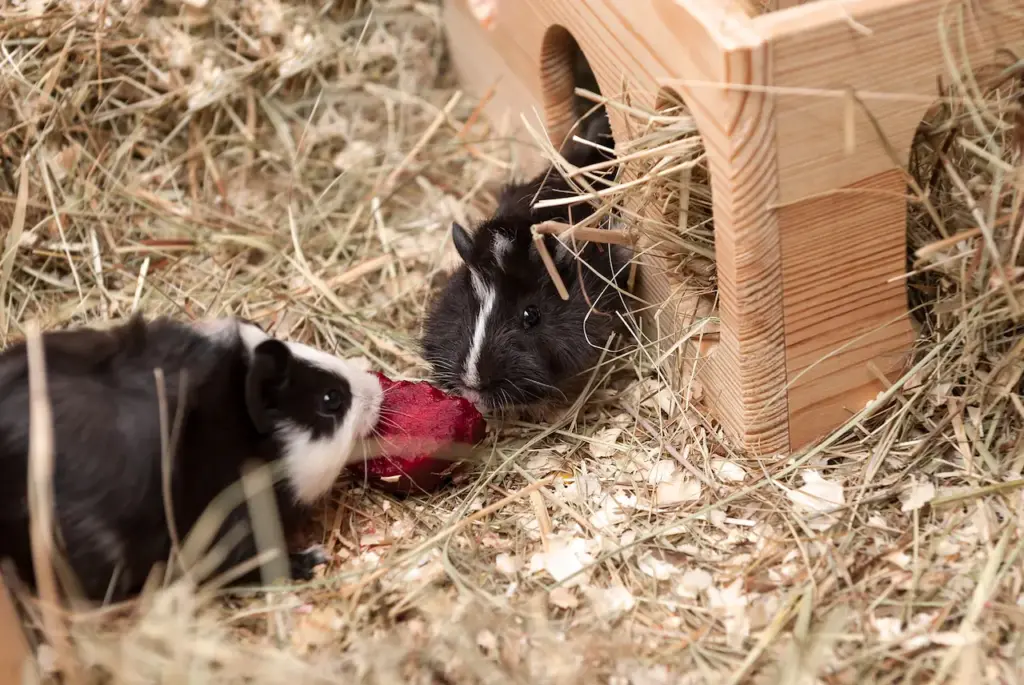
What vitamins, minerals and nutrients are present in raspberries?
Vitamin C This vitamin helps to boost immunity and prevents infections and other illnesses. It is vital to prevent infections, which can be deadly for Guinea pigs. This is something we want to avoid! Vitamin C is also important for the growth and repair of all tissues in the body, especially in young guinea pigs who are still developing and growing. ! It helps to absorb iron which is essential for maintaining healthy blood by creating proteins. These proteins play a huge role in oxygen transportation throughout the body. In 100g, there are 26.2 mg. Iron Iron is necessary to keep the blood healthy and prevent anemia. Iron is also required for the production of hemoglobin. This protein, found in red blood cells that transports oxygen throughout the body, is essential. Myoglobin is also made from it, and this oxygenates muscles. You may not realize how important oxygen transport is! Oxygen plays a crucial role in almost all bodily functions. It is essential for the synthesis of tissues and to be properly oxygenated during physical activity. As you may know, it is important to keep your guinea pigs active to maintain their health. In 100g, there is 0.7mg. Phosphorus It helps to balance calcium intake and promotes bone growth! Its main role is to help form bones and teeth. This works in conjunction with calcium. Calcium is essential for the body of the guinea pig, but you should feed it in moderation to avoid urinary tract infections or other problems. Calcium also affects how the body processes carbohydrates and fats. You don’t want to feed your guinea pig too much of either because their bodies can’t process them. For the small amounts that guinea pigs encounter, their bodies need enough phosphorus to process and use them. A 100 g serving contains 29 mg.What are the other benefits raspberries can provide to your guinea pig?
Raspberries also contain a variety of other nutrients! Some components can help maintain good vision. This fruit is also low in fat, so there’s no need to worry about weight gain. The consumption of raspberries may also aid in blood clotting and bone metabolism.What is the downside of raspberries to guinea pigs?
Even though raspberries are a great food for your piggies, they can have some downsides. They can cause upset stomachs if they contain too much fibre. The high calcium content can cause calcium deposits to form in the urine of your pig, causing discomfort and pain. Xylitol is another compound that is dangerous to many animals. It can cause hypoglycemia in guinea pigs because it is absorbed so quickly into their bloodstream.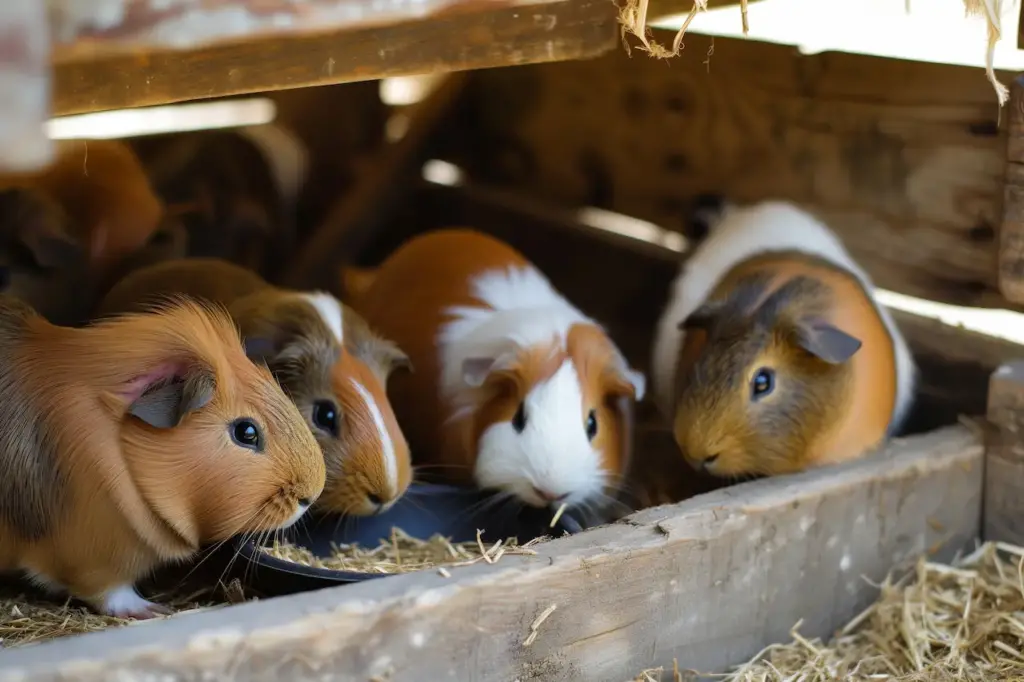
Guinea pigs are allowed to eat raspberries. But do they enjoy it?
Yes! Yes!What should you feed your guinea pig raspberry berries?
You should limit the amount of raspberries you give your guinea pig. As a treat, raspberries should be offered to your guinea pig no more than once or twice per week. The serving size is only one or maybe two raspberries. To ensure your guinea pig doesn’t have an adverse reaction, start with a small amount. You can then give your guinea pig the full amount of one or two raspberries once you have determined that they can handle it.In general, you can feed raspberries to your guinea pigs!
You can add the fruit to their diet once you have done a trial run. All fruits and vegetables should be consumed in moderation. This will ensure they are not only healthy but happy!We get asked — guinea pig food FAQ
How much fresh veg should a guinea pig eat per day?
About 1 cup of fresh vegetables per pig per day, ideally split into two meals (morning and evening). Hay should still be 80% of the diet and available unlimited. Pellets are a small daily addition, not a meal replacement.
What’s the most important nutrient for guinea pigs?
Vitamin C. Guinea pigs cannot manufacture their own and must get it daily from fresh food. Bell pepper is the gold-standard source. Vitamin C in pellets oxidises within weeks of opening, so don’t rely on pellets alone. See our food safety master list for daily portion guidance.
What signs should send me to a vet?
- Not eating for 12+ hours (GI stasis — emergency)
- Not pooping (or smaller, drier poops than usual)
- Crusty eyes, wheezing, or sneezing more than once a day (URI)
- Hunched posture, fluffed coat, hiding
- Sudden weight loss (weigh weekly to catch this early)
- Blood in urine, hunching when peeing
A pig that hasn’t eaten in 12 hours is an emergency, not a “wait and see” situation. More detail in our vet warning signs pillar.
Related reading
- The complete guinea pig care guide — diet, housing, social pairs, lifespan
- Master food safety table
- Cage setup & size guide — most pet-shop cages are too small
- RSPCA UK — Guinea pig welfare standards
Page last updated 17 May 2026. We re-check our pet-care content regularly and update when something changes.