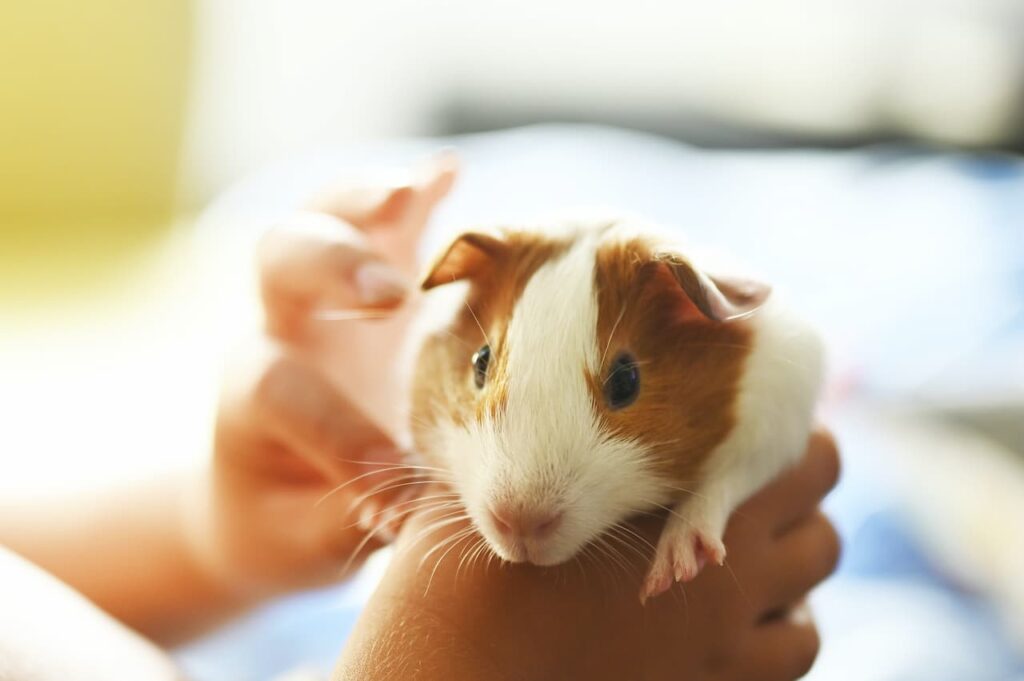
Can Guinea Pigs Eat Pumpkins Or Not?
What comes to mind at the mention of pumpkins? – a smooth and silky pie? Add to the list – muffins, grilled pumpkins, muffins, and pancakes, etc. The goodness in taste and versatility of pumpkins that we know of almost seems unreal. Have you ever considered feeding pumpkins to your guinea pigs but doubted if they will like the taste? Well, the good news is your cavie pets love pumpkins. Read this well-researched article before your start feeding pumpkins to your little furry pets right away. It covers a whole range of serving sizes, safety, and feeding habits to inculcate when introducing pumpkins to your cavie pets.Can guinea pigs eat pumpkins?
If you wonder about the safety of guinea pigs’ consumption of pumpkins as part of their meals, the answer is a big bold “YES.” With all the goodness of taste & nutrients that come naturally with pumpkins, it becomes an ideal healthy meal treat for cavies. Pumpkins have about 92% water content. So it aids in keeping the little pets well hydrated. However, that should not compensate for feeding fresh and clean water to the guinea pigs every day. Now, the bigger question is– Are pumpkins a healthy option for guinea pigs to eat? Let’s find out in the next section below-Are pumpkins suitable for guinea pigs?
There is one key factor to keep in mind when preparing a guinea pigs’ meal. That is, to add diversity of eating fruits and vegetables. Doing so ensures that your pet receives all its essential nutrients and maintains a healthy diet. Hence, pumpkins make up for added variety, taste, and texture to the little furry pets. In addition, it also supplements a moderate amount of daily nutrient requirements of the pigs. Pumpkins belong to the variants of squash and are known as winter squash. Winter squashes find their harvest period during winter seasons and therefore are an ideal winter snack treat for furry animals. While pumpkins come packed with essential nutrients, the vets’ recommendation is to feed pumpkins to your furry pets in moderation. The reason being –- The nutritional content in pumpkins may sometimes exceed the daily/standard dietary limit.
- In some cases, for example, pumpkins alone do not meet the daily vitamin C requirements of the guinea pigs.
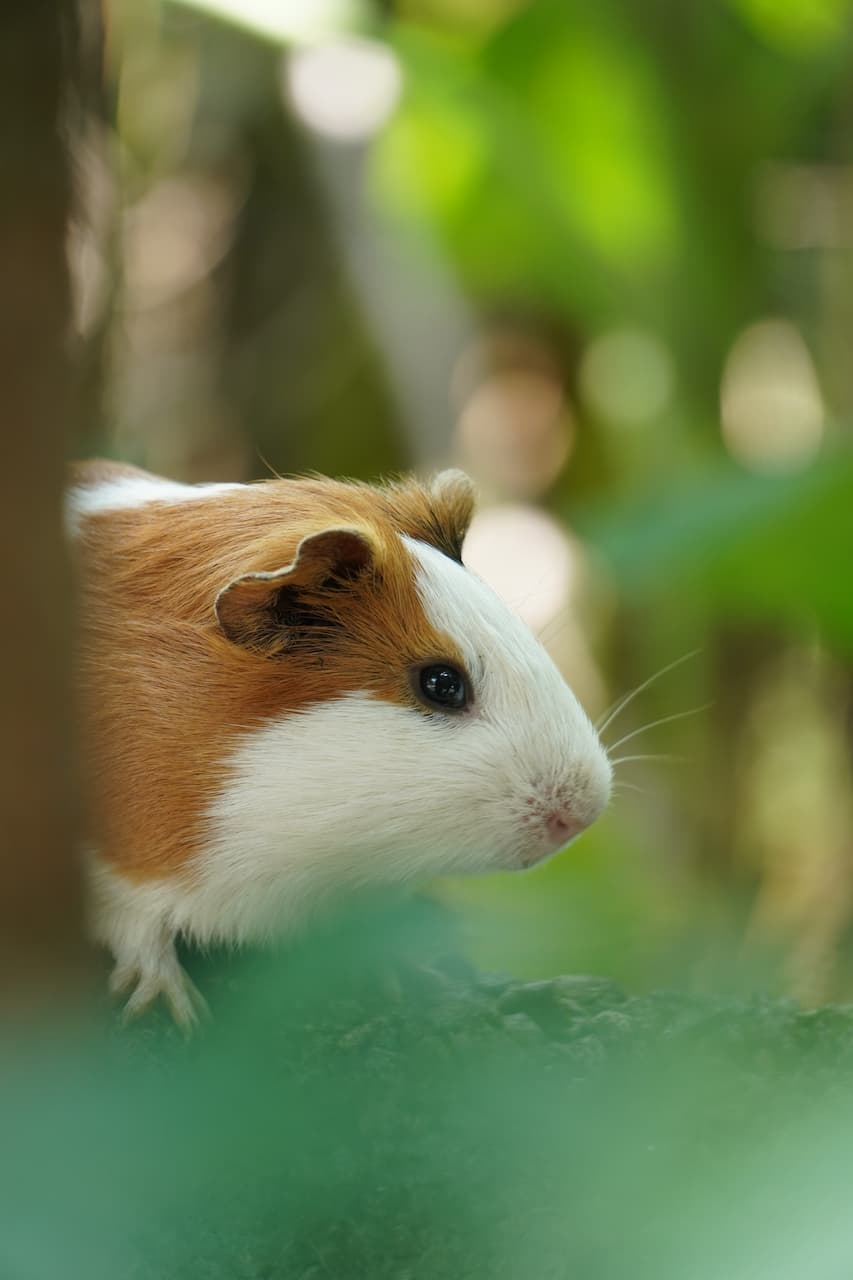
What is the serving size of pumpkin for guinea pigs?
Did you know that baby guinea pigs are born with fully formed teeth?
It means they can, and they start eating as barely as a day old. While their primary source of food supplements comes from their mother’s milk, they eat some alfalfa hay.
Can you feed pumpkins to baby guinea pigs? What about guinea pigs that have weaned? What is the ideal serving size for adult guinea pigs?
The answers to all these queries are here in the table below.
| Pet Age | Serving size |
| Baby guinea pigs | None |
| Weaned guinea pigs | An inch size cube of pumpkin once a week |
| Juvenile guinea pigs | 2 inch pumpkin once a week |
| Adult guinea pigs | 2 inch pumpkin once/twice a week |
- Calcium is present in a quantity level exceeding the standard requirement of pigs. Therefore, excess calcium can cause urinary problems or urinary stones.
- Sugar content is relatively high, as evident in the natural sweet-tasting pumpkins. The high sugar content can enhance the chances of diarrhea and other digestion problems.
Precautions to keep in mind when feeding pumpkin to guinea pigs
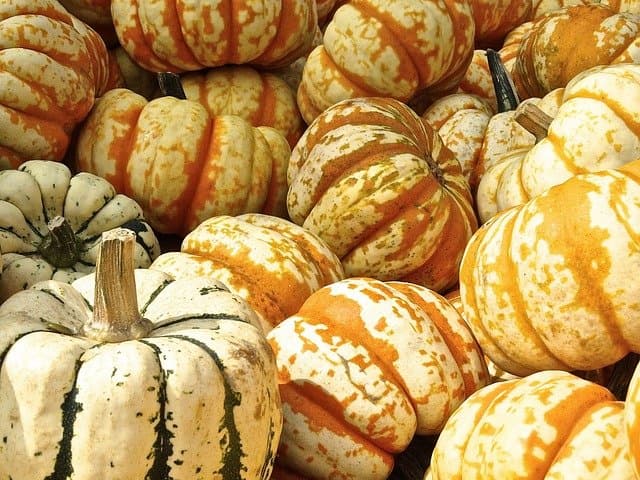
You can start introducing raw pumpkins to weaned guinea pigs. Adult guinea pigs can also eat an inch or two inch-sized cubes of pumpkins every once or twice a week. However, the precautionary points to remember are – Although pumpkin seeds come packed with healthy nutrients, they are not safe for guinea pigs. The reason being its rugged texture, and it has sharp edges. Biting on to the seed by young guinea pigs may be hard to chew. It, in turn, may cause choking or may get stuck on their throat. In addition, there is high-fat content in pumpkin seeds, which may be unsuitable for the overall health of the little ones.- Pumpkin parts – rind, vines, leaves, and stems
- Cleanliness –
Health benefits of pumpkins to guinea pigs
- Vitamin C – It acts as an instant immunity booster. Found in adequate amounts in pumpkin, it aids in the overall health of the pigs.
- Potassium – Pumpkins have a pretty fair amount of potassium in them. It protects the guinea pigs from chances of bladder stones; something pigs are prone to develop.
- Beta-carotene and Vitamin A – With a high content of beta-carotene and vitamin A in pumpkins, the consumption of raw pumpkins enhances the pigs’ overall eyesight.
- Fiber – Fiber content in a pumpkin eases the digestive tract and system of a guinea pig.
Final thoughts
Be it sweet treats, tasty mid-day meals, or winter treats – pumpkins serve their purpose well as healthy food for guinea pigs.
Like in any healthy eating plan, feeding in moderation is what works best for the overall health performance of these little pets.
However, one thing to keep in mind is never to feed cooked/processed pumpkin food to your furry companions.
All said, now get those furry pets nibbling and munching on fresh raw pumpkins.
We get asked — guinea pig food FAQ
How much fresh veg should a guinea pig eat per day?
About 1 cup of fresh vegetables per pig per day, ideally split into two meals (morning and evening). Hay should still be 80% of the diet and available unlimited. Pellets are a small daily addition, not a meal replacement.
What’s the most important nutrient for guinea pigs?
Vitamin C. Guinea pigs cannot manufacture their own and must get it daily from fresh food. Bell pepper is the gold-standard source. Vitamin C in pellets oxidises within weeks of opening, so don’t rely on pellets alone. See our food safety master list for daily portion guidance.
What signs should send me to a vet?
- Not eating for 12+ hours (GI stasis — emergency)
- Not pooping (or smaller, drier poops than usual)
- Crusty eyes, wheezing, or sneezing more than once a day (URI)
- Hunched posture, fluffed coat, hiding
- Sudden weight loss (weigh weekly to catch this early)
- Blood in urine, hunching when peeing
A pig that hasn’t eaten in 12 hours is an emergency, not a “wait and see” situation. More detail in our vet warning signs pillar.
Related reading
- The complete guinea pig care guide — diet, housing, social pairs, lifespan
- Master food safety table
- Cage setup & size guide — most pet-shop cages are too small
- RSPCA UK — Guinea pig welfare standards
Page last updated 17 May 2026. We re-check our pet-care content regularly and update when something changes.